
Last updated November 2, 2026
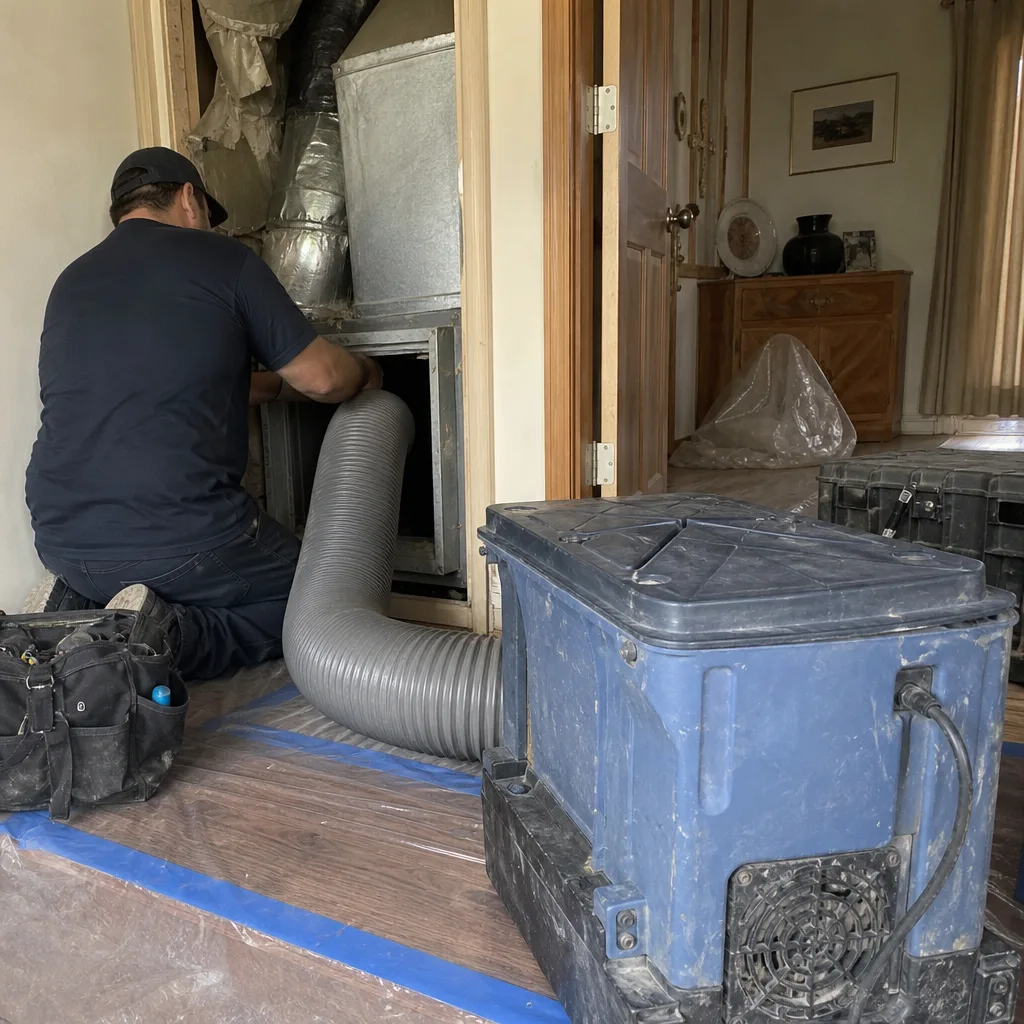
 Whole-home duct cleaning
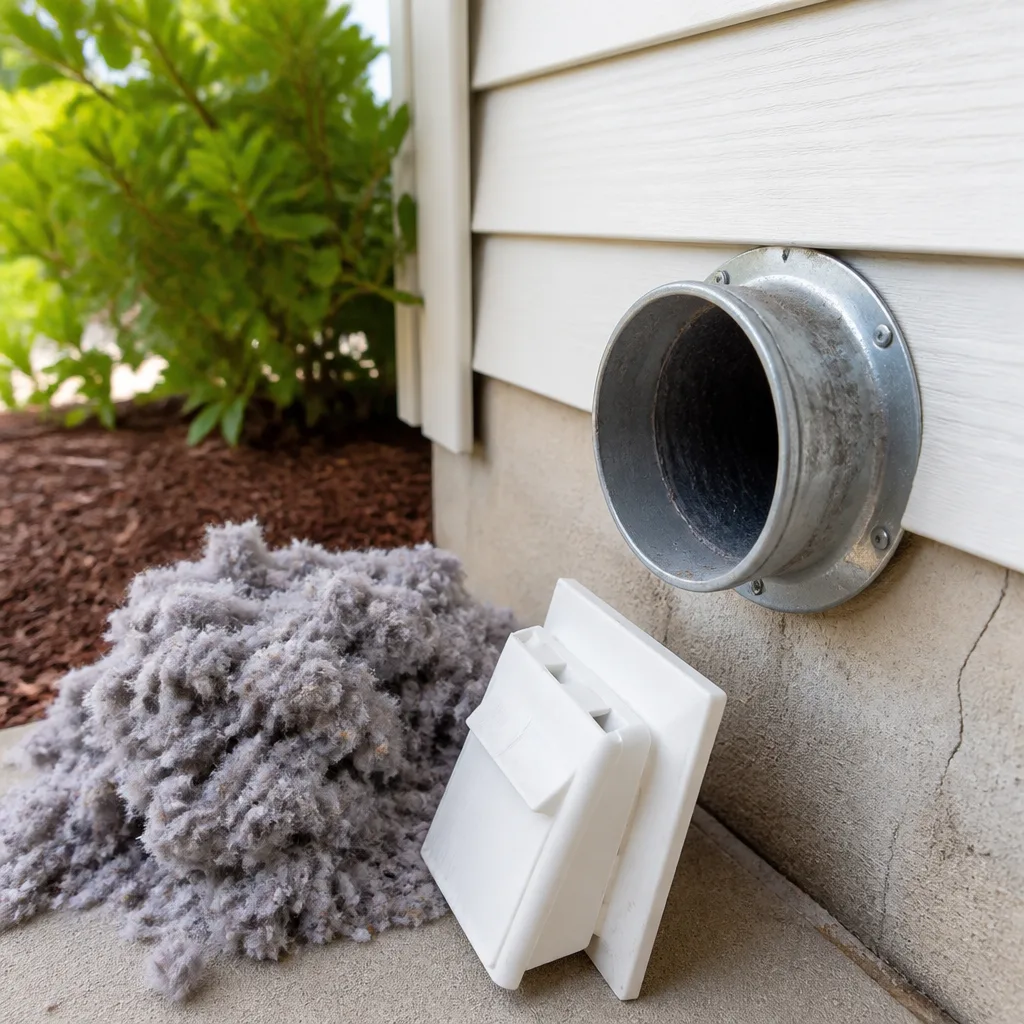 Dryer vent cleaning
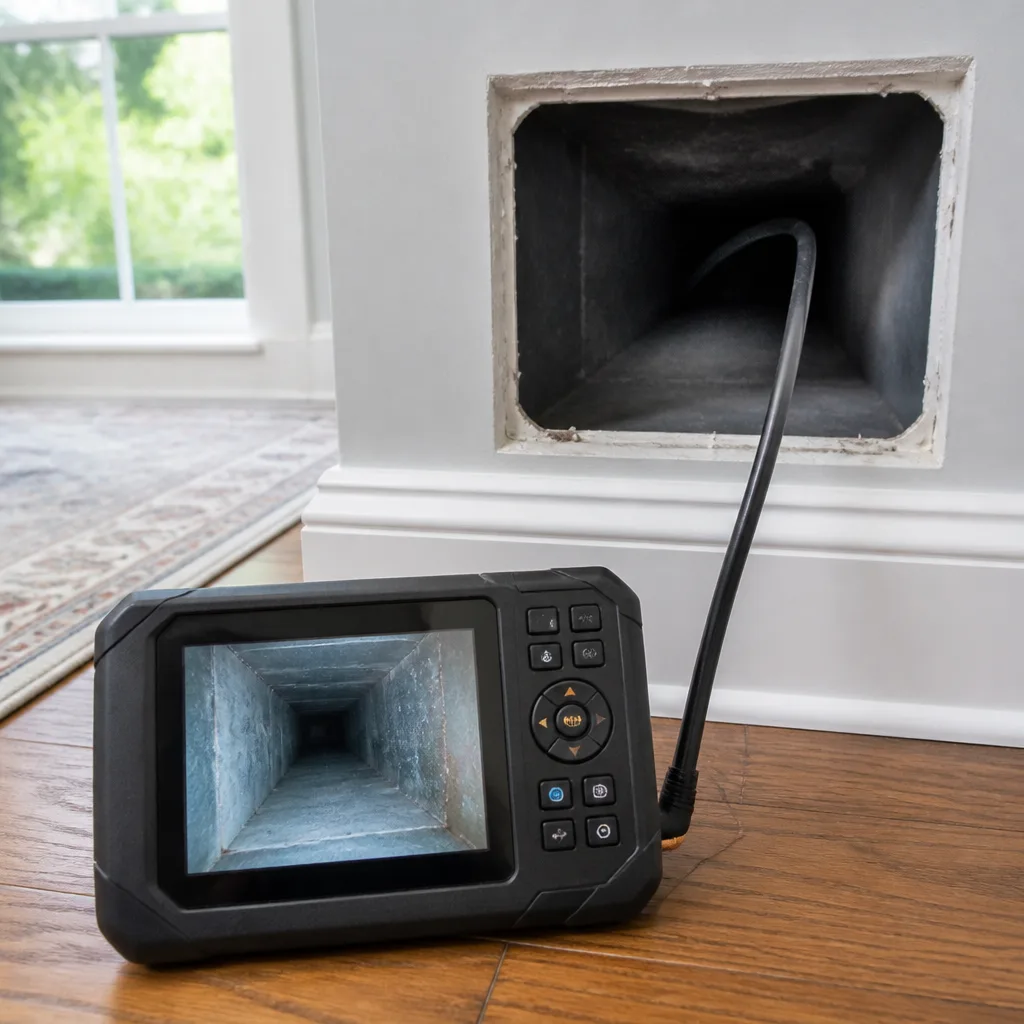 Camera inspection
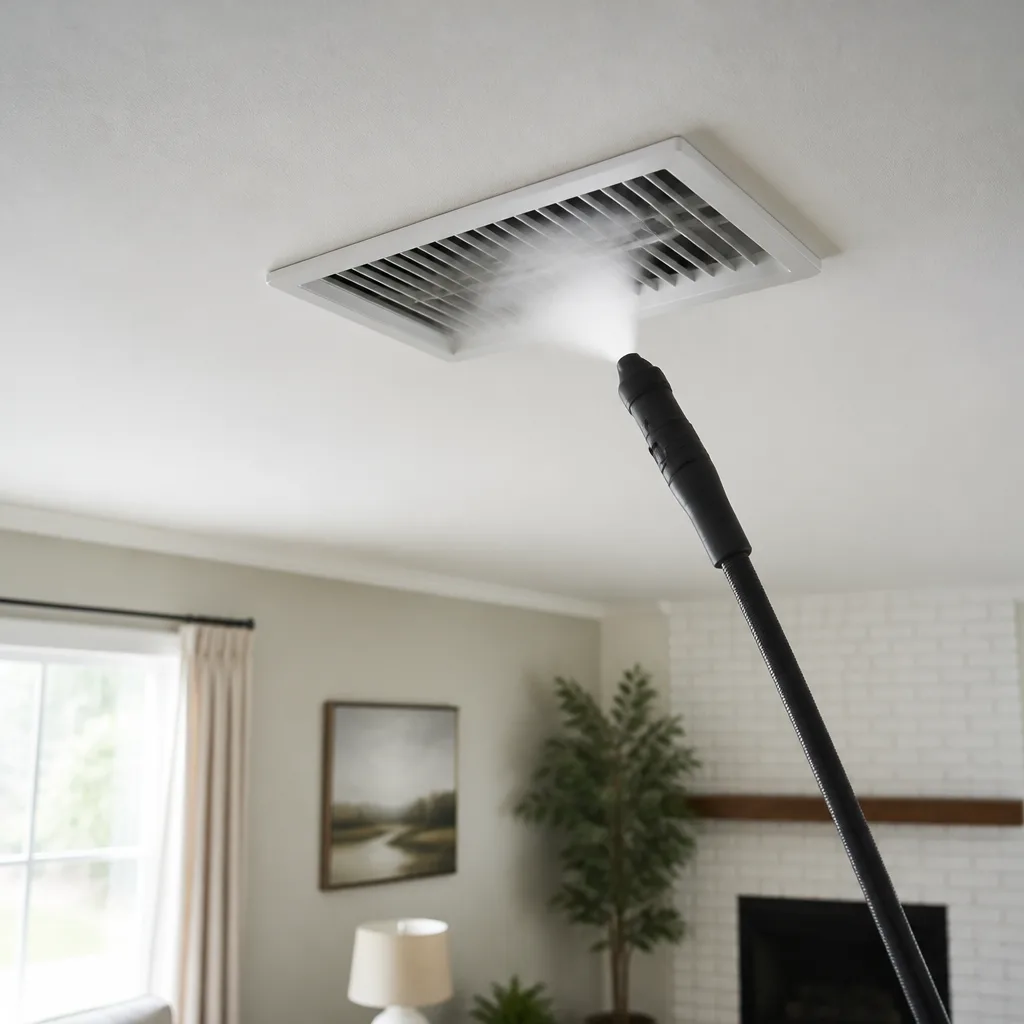 Sanitizing & deodorizing
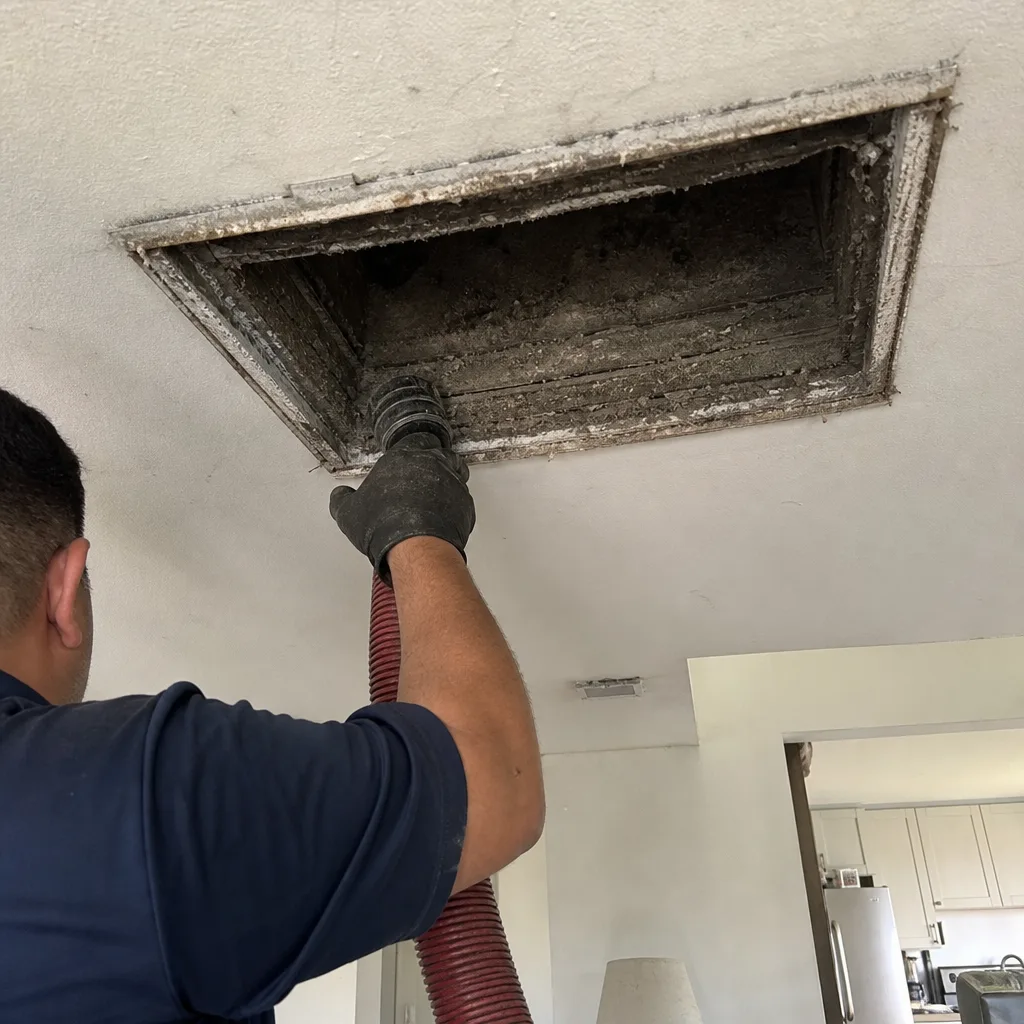
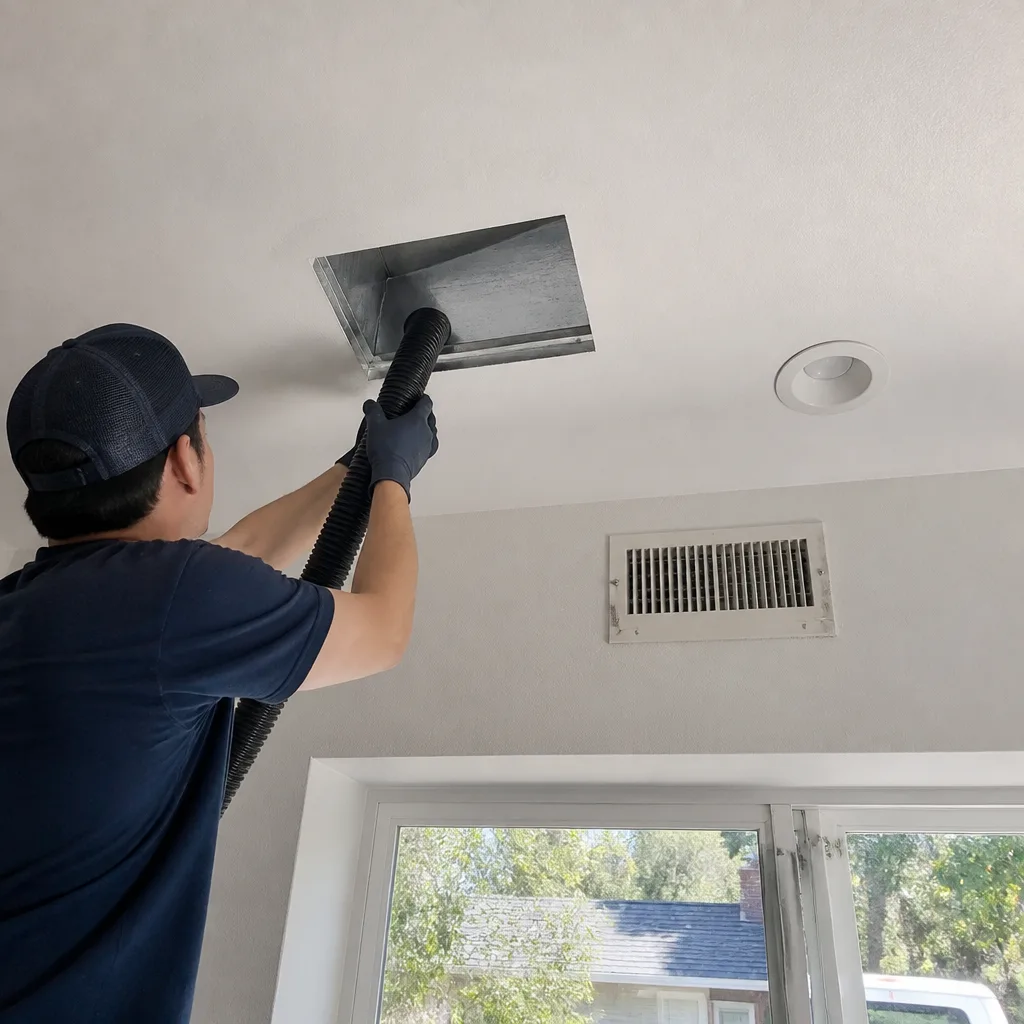
Whole-system duct and dryer vent check with before-and-after photos - you see exactly what came out of your vents
That "$99 whole-house special" is a bait ad - the real number appears once they are in your hallway, or the "clean" is a shop-vac at the register. We photograph the inside of your ducts before and after instead.
Air Duct Cleaning Permits, Codes & Inspections in CA: What You Need to Know
Here’s a scenario most Tarzana homeowners never see coming. A duct cleaning company finds a disconnected section of return duct in your attic crawlspace. To reach it, they cut a new access panel into the sheet metal. Problem solved, right? Except that new panel is a modification to your HVAC system, and in California, modifications to duct systems fall under the California Mechanical Code. No permit means unpermitted work, which has a way of surfacing during home sale inspections in LA County. This guide draws the exact legal line between cleaning, which is maintenance-exempt, and repair or modification, which crosses into regulated territory, and serves as an Air Duct Cleaning Warning Signs: A Tarzana Homeowner’s Reference Guide companion. You’ll learn what the UMC and California Mechanical Code actually say, which triggers require a permit, what a C-20 license has to do with pulling one, and what paperwork protects you when you sell.
Styles & brands we work with
- Whole-home duct cleaning
- Dryer vent cleaning
- Camera inspection
- Sanitizing & deodorizing
Quick Answer
Air duct cleaning itself does not require a permit anywhere in California. Cleaning is classified as maintenance under the California Mechanical Code. However, the moment a technician cuts into ductwork, replaces a section, adds an access panel, or installs an in-duct device like a UV purifier, the work becomes a regulated modification that triggers permit requirements through your local building department, typically LADBS in the City of Los Angeles. The practical takeaway: a pure cleaning job with a detailed invoice is fine. Any physical change to your duct system should produce a permitted record, and the company doing that work needs a C-20 HVAC contractor license.
Table of Contents
- What California Mechanical Code Section 604 Actually Governs
- The Legal Line: When Cleaning Becomes Regulated Work
- The Permit Trigger Checklist for Duct Work
- LA County Jurisdiction: When LADBS Gets Involved
- Why a C-20 License Matters for Permit Work
- Documentation: What to Keep After Any Duct Work
- How the Right Equipment Affects Code Compliance
- Resale, Insurance, and the Unpermitted Work Problem
- Common Mistakes to Avoid
- When to Call a Professional
- Frequently Asked Questions
- The Bottom Line
What California Mechanical Code Section 604 Actually Governs
Section 604 of the California Mechanical Code is the principal code section governing duct systems, and it’s part of a larger framework. California adopts the Uniform Mechanical Code (UMC) with state-specific amendments, and Section 604 addresses duct construction, installation, and performance. Here’s what it covers in plain terms: the materials used in duct fabrication, the sizing of ducts relative to the HVAC system they serve, the securing and support of duct runs, and the integrity of connections between duct sections. It also addresses access requirements, which loops back to that access panel scenario in the opening of this guide. Section 604.10.3 specifically requires access openings for certain types of equipment and fire dampers, but when a technician creates a new access point where none existed, that’s an alteration, not a cleaning action.
For Tarzana homeowners, the relevant nuance is that Section 604 is a construction code, not a maintenance code. The code assumes the duct system was installed correctly to begin with. Maintenance and cleaning fall outside its scope, but modifications, replacements, and new installations fall squarely within it. The practical consequence is that a cleaning company that doesn’t modify your ducts never touches the permit process, while any company that does cut, reroute, extend, or replace duct sections is performing regulated work. This distinction matters far more than most homeowners realize, because it determines whether you’ll have a paper trail that satisfies a future buyer’s inspector.
The Legal Line: When Cleaning Becomes Regulated Work
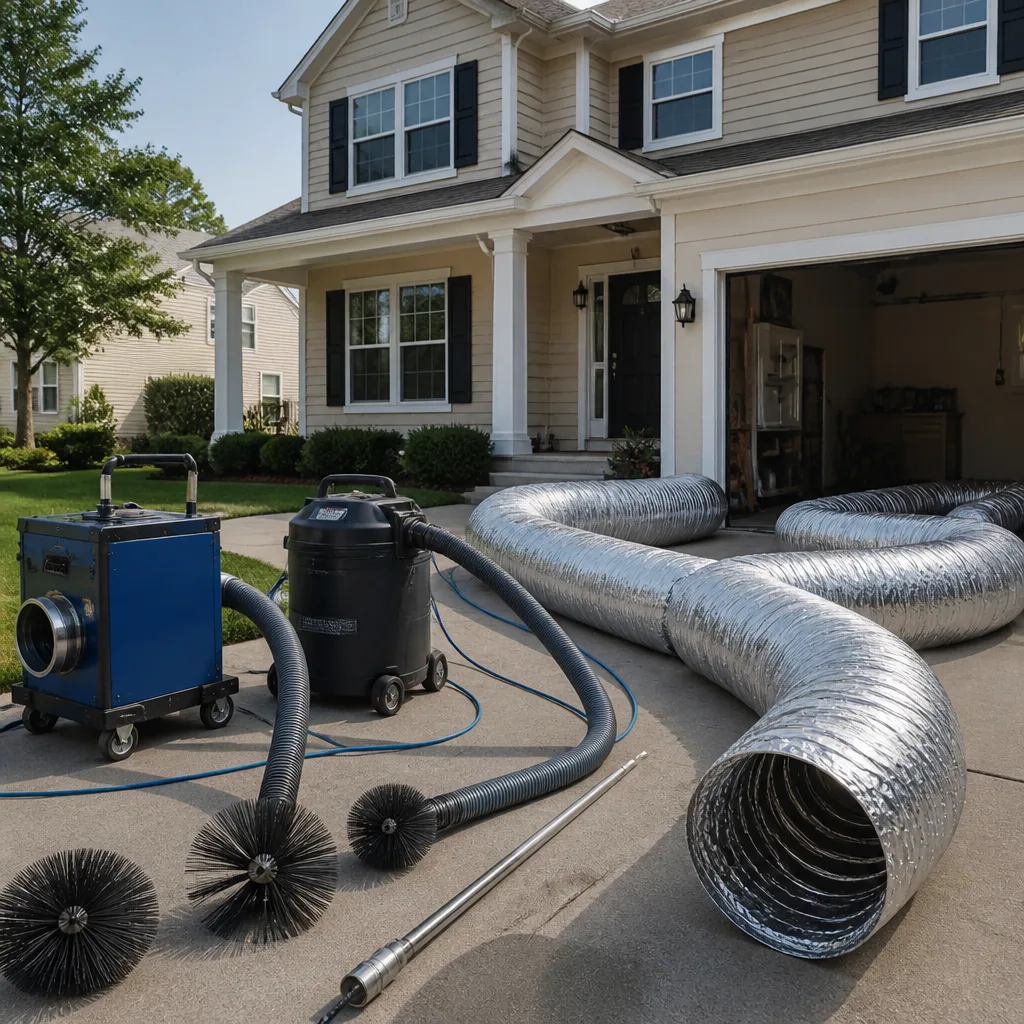
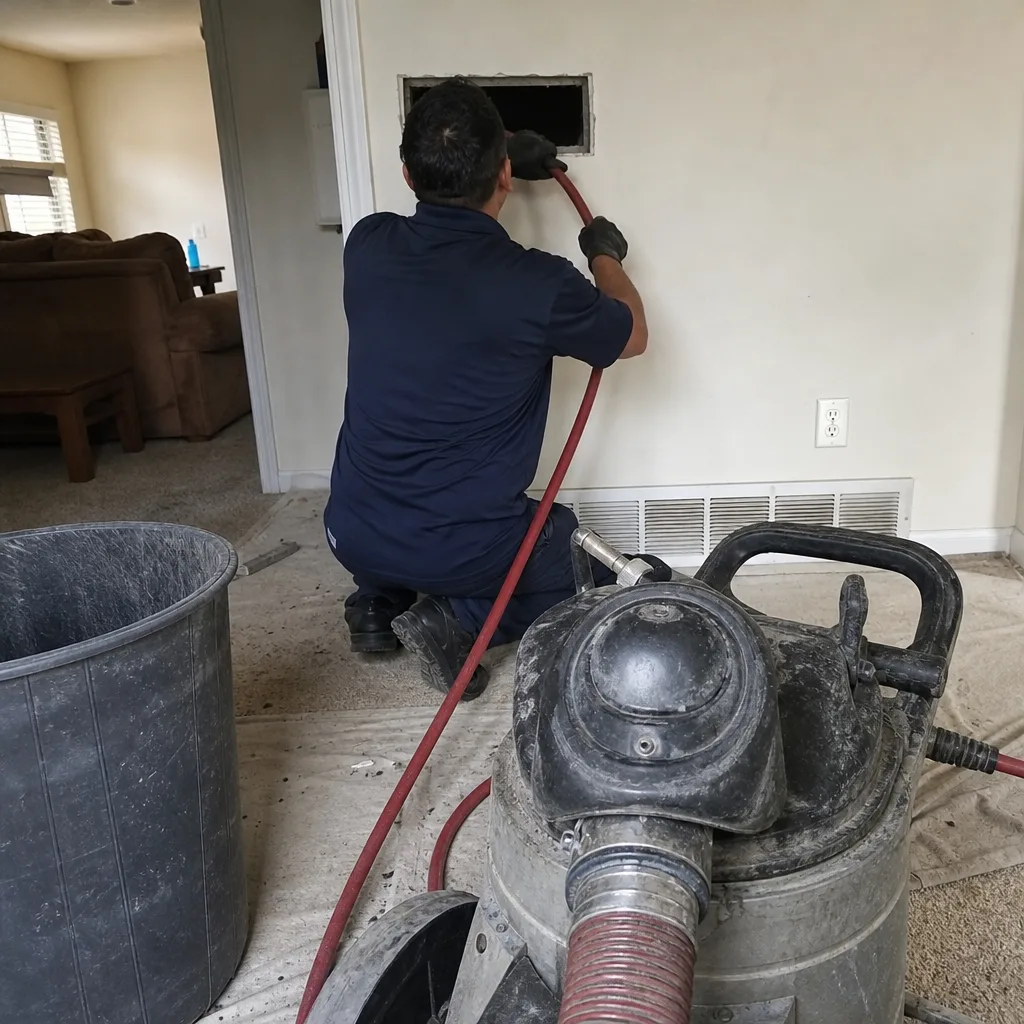
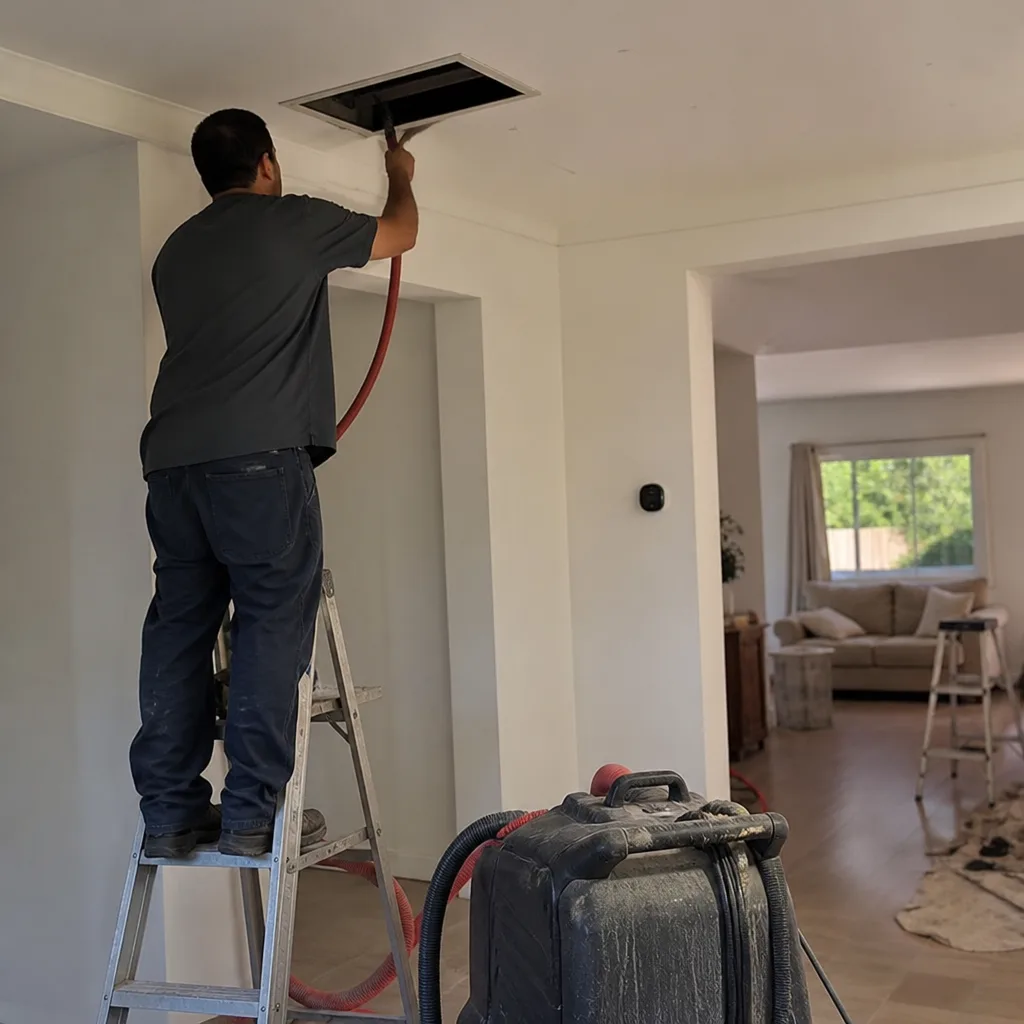
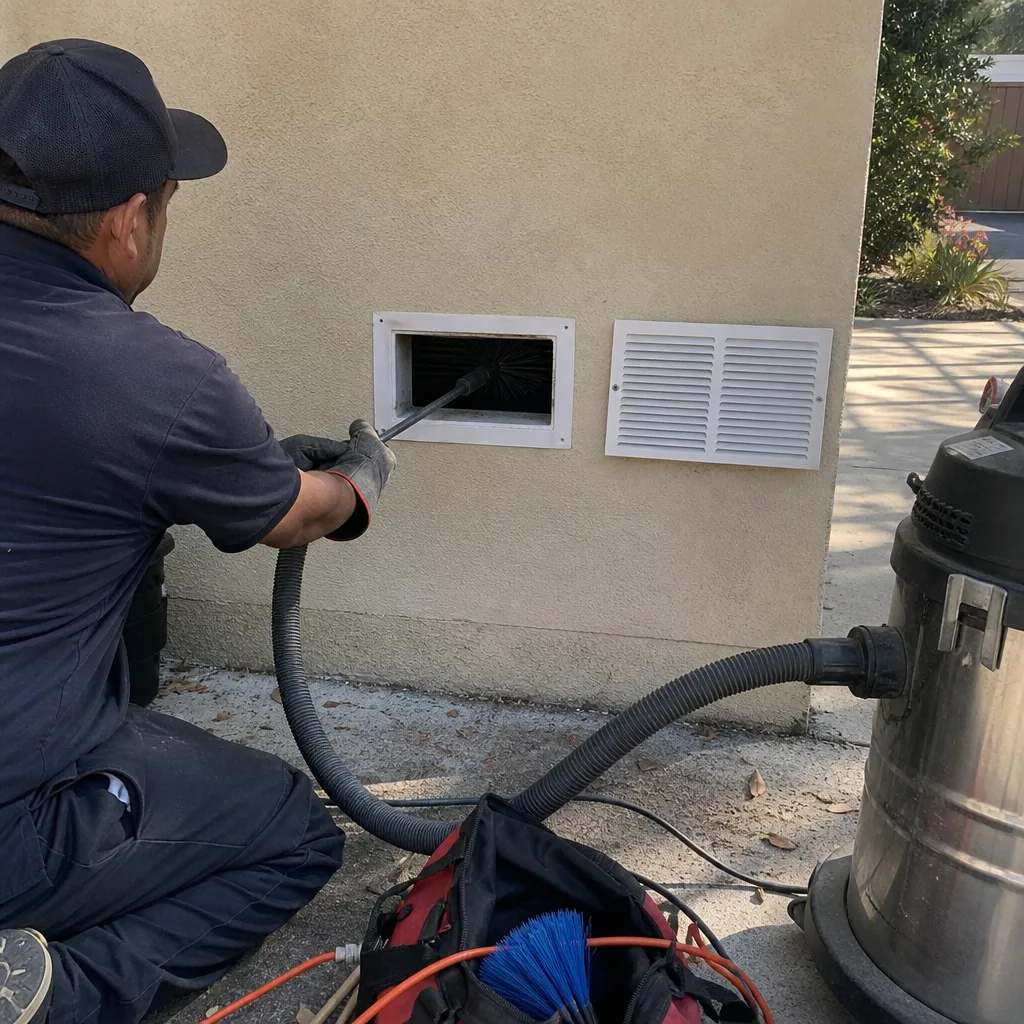
The cleanest way to think about this is by physical intervention threshold. Cleaning is the removal of accumulated dust, debris, and microbial growth from the interior surfaces of existing, intact ductwork. It involves access through existing openings: supply registers, return grilles, and if present, factory-installed or previously permitted access panels. A professional team runs agitation devices like Rotobrush and Nikro systems through the existing duct paths, pulls the loosened material out under negative pressure using Abatement Technologies HEPA-filtered equipment, and leaves the duct system exactly as it was found, except cleaner. Nothing is disassembled that wasn’t designed to be disassembled. No new openings are created. No sections are shifted, replaced, or resealed. That work is maintenance, pure and simple, and no jurisdiction in California requires a permit for it.
Repair and modification begin the moment a technician does any of the following: cuts a new access into a duct trunk or plenum, removes and replaces a damaged section of duct, disconnects and reconnects a duct run, adds a collar or takeoff for a new vent, installs an in-duct air purification device like a UV lamp or photocatalytic oxidizer, or substantially reworks the connection between the duct system and the air handler. Each of these actions changes the physical configuration of the system. Under the California Mechanical Code, that’s regulated work, and it’s the point where a building permit enters the conversation. In our experience in Tarzana and the surrounding San Fernando Valley, the most common trigger we encounter is the access panel: a cleaning technician discovers a disconnected duct, can’t reach it through any existing opening, and cuts into the trunk line to restore the connection. The repair is legitimate, but the new opening is a modification that should have been permitted.
The Permit Trigger Checklist for Duct Work
Here is the definitive trigger list for duct-related work in Los Angeles County, based on the current California Mechanical Code and our daily work in Tarzana. If you can check off any item on this list, the work requires a building permit through the City of Los Angeles Department of Building and Safety (LADBS) or, if you’re in an unincorporated area, through LA County Building and Safety.
- Replacing a section of duct. If a section is rusted through, crushed, or disconnected beyond repair and must be removed and replaced with new sheet metal or flex duct, that’s a regulated replacement under UMC Chapter 6. A permit is required.
- Cutting a new access panel. This is the one most homeowners miss. Creating any new opening in a duct trunk, plenum, or air handler cabinet to reach a disconnected section or clean an otherwise unreachable area is a modification. The new panel becomes part of the system’s permanent configuration.
- Adding a new supply or return run. Adding a run to serve a new room, or converting a room that never had proper airflow, is new duct installation. Section 604 governs the sizing and connection standards, and LADBS requires a permit for the addition.
- Installing an in-duct UV purifier or air purification device. Devices that mount inside the duct or air handler and require electrical connection or penetration of the duct wall are equipment installations. The electrical work falls under the California Electrical Code, and the duct penetration falls under Section 604. Both require permits.
- Replacing or relocating a plenum. The plenum is the large sheet-metal box that sits directly on the air handler. Replacing it or moving it is structural duct work, not maintenance.
- Rerouting existing ductwork. If a renovation moves walls that force a duct run to be re-pathed or extended, that’s a modification to the distribution system. Permits apply.
What doesn’t require a permit: cleaning through existing access points, replacing filters, sealing minor joint leakage with mastic during a cleaning visit where no sections are removed, and cleaning the air handler cabinet as part of a system service. The distinction is always: did the physical configuration of the system change? If no, permits aren’t in play. If yes, they are.
LA County Jurisdiction: When LADBS Gets Involved
Tarzana sits inside the City of Los Angeles, which means the permitting authority for duct work is the Los Angeles Department of Building and Safety (LADBS). LADBS operates a district office in the Valley, and the mechanical plan check division reviews permit applications for duct modifications that are significant enough to require plan review. Smaller projects like a single-section duct replacement or a new access panel typically qualify as an “over-the-counter” permit, which can be issued the same day at a district office. Larger projects like adding multiple new supply runs or replacing a plenum require a plan check that may take a week or more.
For homeowners in unincorporated LA County areas near Tarzana, the authority shifts to LA County Building and Safety, which enforces the same California Mechanical Code provisions but maintains its own permitting process. The code requirements are identical because both jurisdictions adopt the state code. What differs is the administrative path. A licensed C-20 contractor is expected to know which counter to visit, what drawings to bring, and what fees apply. Homeowners attempting a permit themselves often spend days sorting through requirements that a contractor handles in an afternoon.
One clarification that saves a lot of confusion: LADBS does not issue permits for cleaning, and it doesn’t require contractors to register for cleaning-only work. A company that performs only duct cleaning in Tarzana needs no permit and no LADBS involvement. The building department enters the picture only when the work involves physical modification of the duct system, at which point the permit record becomes part of the property file tied to your parcel number. That permanence is the crucial part. A permit stays with the property and creates a record that future owners and inspectors can see.
Why a C-20 License Matters for Permit Work
California’s Contractors State License Board (CSLB) classifies HVAC work under the C-20 license classification: “Warm-Air Heating, Ventilating and Air-Conditioning Contractor.” A company holding a C-20 license is legally authorized to perform duct repair, modification, and installation work and to pull the associated mechanical permits. An unlicensed company cannot pull a permit, period. Any company that performs duct modification work without either a permit or a C-20 license is operating outside the law, and the homeowner inherits the risk.
Verifying a C-20 license takes sixty seconds on the CSLB website, which maintains a public license lookup. The license number should appear on the contractor’s invoice, business card, and website. When you pull up the record, check three things: that the classification is C-20, that the license status is active, and that the license bond is current. The CSLB shows bond status on the record page. A suspended license, or a C-36 plumbing license being used to perform HVAC work, is a red flag that the contractor is working outside their classification.
This is where the distinction between cleaning and repair becomes financially concrete. A cleaning company without a C-20 can legally clean ducts all day long in Tarzana. The law doesn’t require a contractor’s license for cleaning, and many reputable Air Duct Cleaning Tarzana home service providers focus exclusively on that scope. But the moment that company suggests cutting, replacing, or modifying ductwork, the legal calculus shifts. No C-20, no permit. No permit, no legal modification. We see this unfold in the field regularly: a homeowner needs a section of duct replaced, the cleaning company quotes the repair, and neither party realizes the work requires a licensed C-20 contractor pulling a permit through LADBS. A specialist who recognizes the line and either does the permitted work with a license or refers you to a licensed contractor is protecting you from an unpermitted-work headache down the road.
Documentation: What to Keep After Any Duct Work
The right paperwork depends on what was actually done. Here’s the documentation hierarchy that protects a Tarzana homeowner:
- Cleaning-only invoice: A detailed invoice from the cleaning company stating what was cleaned (supply ducts, return ducts, plenum, blower, registers), what equipment was used (Rotobrush, Nikro, Abatement Technologies negative-air), and the date. This is a maintenance record, not a construction record, and it’s sufficient for cleaning work. Keep it indefinitely with your home maintenance file.
- Repair/modification permit record: If any duct section was replaced, an access panel was added, or a purifier was installed, you should expect a LADBS permit number. The permit record shows the scope of work, the inspection results, and the final sign-off. This is the document that matters for title and insurance.
- Certificate of compliance or final inspection card: When a permitted project passes inspection, the building department issues a record of final approval. That’s your proof the work was done to code. Ask for a copy after the inspector signs off.
- Materials documentation: If duct sections were replaced, keep information on what materials were used (galvanized sheet metal, flex duct rated per UMC standards) and the manufacturer. This helps if you ever need matching replacements and substantiates code-compliant materials.
- Drawings or scope document for bigger projects: If you add multiple runs or replace a plenum, the contractor should provide a simple scope document that shows what was done. It doesn’t need to be engineering drawings, but a clear diagram with dimensions keeps a permanent record of the system’s as-built configuration.
The documentation gap that causes the most problems is the repair done under the table: cash payment, no invoice, no permit, no record. When the home goes on the market five years later, a sharp home inspector asks when that new duct run was added, and the seller has nothing to show. The insurance company may ask the same question after a system failure. Documentation isn’t bureaucracy for its own sake. It’s the proof that the work was done legally and to code.
How the Right Equipment Affects Code Compliance
Equipment choices influence Code compliance in subtle but important ways. The California Mechanical Code and the Energy Code (Title 24, Part 6) impose sealing requirements on duct systems in new construction and significant alterations. Section 604 addresses duct construction standards, and the Energy Code requires that duct systems be sealed to specified leakage levels for permitted work. That means the quality of materials and workmanship during a repair or alteration isn’t just a preference. It’s a code requirement.
On the cleaning side, equipment quality doesn’t affect the permit question, but it affects whether the job produces a system that continues to meet code. Low-cost cleaning methods that use a shop vacuum or a portable blower without containment can pull debris into the living space or, worse, disturb sealant at duct joints and create new leakage. A duct system that leaks more after cleaning than before is one that drifts out of compliance with the Energy Code’s sealing intent. Negative-air containment, the approach we use in every Tarzana Air Duct Cleaning in Tarzana job, keeps loosened particulates moving out of the system and into a HEPA-filtered capture unit, never blown into rooms. It’s the difference between cleaning that preserves the system’s integrity and cleaning that actively degrades it.
When we do encounter duct damage during a cleaning visit, the first question is whether it’s a cleaning issue or a repair issue. A disconnected section discovered behind a drywall ceiling might be reachable through an existing register and reconnected with a code-compliant fitting and mastic, which in many simple cases is a repair that can be handled on-site if a licensed path exists. If a new access point is required or a section must be fabricated and replaced, that’s a permit-triggering repair, and we route it accordingly. That’s the advantage of working with a company that does both Air Duct Repair in Tarzana and cleaning: someone is always assessing the system against the code, not just against a checklist of vents.
Resale, Insurance, and the Unpermitted Work Problem
Unpermitted duct work surfaces in predictable places. The first is the home inspection. Buyers in LA County almost always hire an inspector, and that inspector almost always looks at the HVAC system, including visible duct runs in the attic or crawlspace. A new access panel that doesn’t match the existing ductwork, a section of flex duct that looks newer than the rest of the system, or an in-duct purifier with no corresponding permit in the property file will generate inspection notes. The buyer then asks the seller to provide the permit. If the seller can’t, the deal complications begin.
The second place is the property file itself. When a buyer’s title company or mortgage lender reviews the property record, unpermitted work can surface as a disclosure obligation. California law requires sellers to disclose known unpermitted modifications. Once disclosed, the unpermitted work can affect the appraisal, the loan approval process, or the negotiated price. A $400 cash duct repair can become a $5,000 remediation and disclosure problem at sale.
Insurance is the third place. If a home system fails and the insurance company investigates, they may ask for documentation of the work. A permitted repair has a public record. An unpermitted one has nothing. In the worst case, a denied claim or a policy restriction can result. None of this is hypothetical. We’ve talked to Tarzana homeowners who discovered unpermitted HVAC modifications only after a buyer’s inspection flagged them. The common thread in every case was the same: someone hired a worker without a license or a permit, the work was cash, and no paper trail existed.
Common Mistakes to Avoid
- Treating all duct work as maintenance. Homeowners often assume anything related to ducts is cleaning, not construction. That assumption works fine until a section gets replaced or modified without a permit. Know the trigger list, and when in doubt, ask the contractor directly: does this require a permit?
- Hiring an unlicensed worker for a duct repair. A handyman or a general laborer can’t pull a mechanical permit and can’t legally perform the work. The cash price may be attractive, but the unpermitted record lives with the property forever.
- Confusing a cleaning invoice with a repair record. A cleaning invoice says the system was cleaned. It says nothing about code compliance. If any modification was made, you need the permit record, not just the invoice.
- Accepting a new access panel without asking questions. If a technician says they need to cut into your duct to do a repair, that’s the threshold moment. Ask whether a permit is required, whether the company has a C-20 license, and what documentation you’ll receive.
- Skipping documentation retention. Many homeowners toss the paperwork, then can’t answer buyer questions later. Create a simple “HVAC” folder in your files for every cleaning invoice and any repair documentation, and keep it with the home.
- Assuming all cleaning companies know the code. Many don’t. The right specialist can tell you where the line is and handles the repair side correctly, or refers you to a licensed contractor. If a company can’t answer the permit question, that’s a signal.
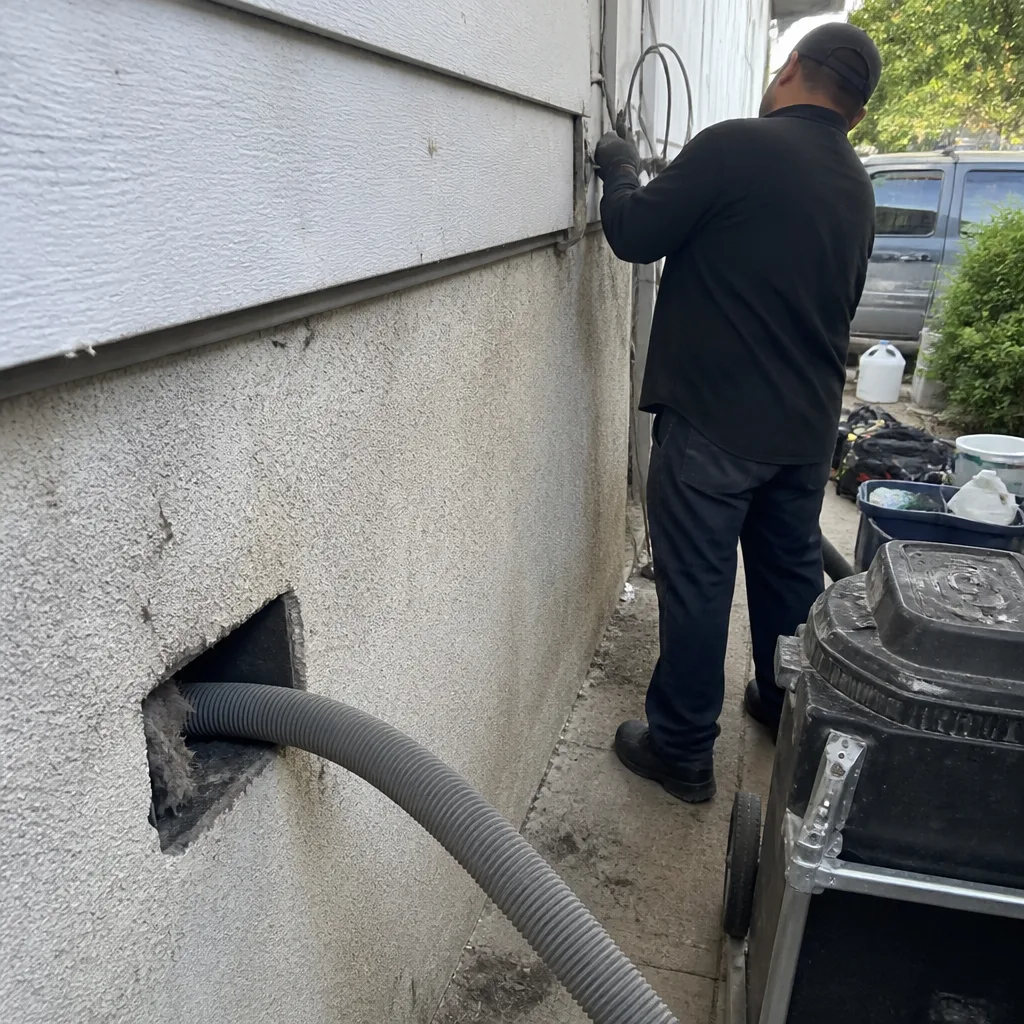
- Forgetting that dryer vents have their own fire-safety dimension. Dryer vent cleaning in Tarzana falls under maintenance, but a crushed or disconnected dryer duct that gets replaced or rerouted is a mechanical exhaust system, and it deserves the same permit scrutiny as HVAC duct. A specialist doing Dryer Vent Cleaning in Tarzana should flag the repair threshold just as clearly.
When to Call a Professional
If your ducts have never been inspected and you’re noticing musty odors from the registers, elevated dust accumulation on surfaces, or rooms that never quite heat or cool evenly, start with a professional inspection. The inspection itself is maintenance and needs no permit. If the inspection reveals damage that requires repair, you’ll want a specialist who understands the code line and can handle both the cleaning and any repair work properly; see our Air Duct Cleaning Troubleshooting: Common Problems and How to Fix Them for what to expect.
Call a professional when you discover disconnected duct sections during a cleaning, when you suspect damage from rodent activity in the attic, when a previous contractor’s work raises documentation questions, whenever an access panel is being proposed, or if you’re preparing to sell your home and want to get ahead of potential inspection findings. Air Duct Cleaning Tarzana offers free estimates in Tarzana. Call (866) 472-7239 to schedule a visit and get a straight answer about whether your job is a cleaning or a repair.
Frequently Asked Questions
No. Air duct cleaning falls under maintenance and requires no permit anywhere in California, including Los Angeles County. The permit trigger is physical modification: replacement, new access points, added runs, or installed in-duct equipment. A cleaning-only job should generate a detailed invoice, not a permit. If your cleaning company says a permit is always required, they’re either misinformed or they’re planning to sell you modification work. For an exact answer on your specific system, call (866) 472-7239.
Duct cleaning removes accumulated debris from the interior surfaces of existing, intact ductwork through existing access points. Duct repair or modification changes the physical configuration of the system: replacing sections, adding access panels, adding runs, installing in-duct devices. Cleaning is maintenance and permit-exempt. Repair and modification are regulated by the California Mechanical Code and typically require a LADBS permit in Tarzana. The distinction matters for documentation, disclosure, and resale.
For cleaning only, no. The CSLB does not require a contractor’s license for duct cleaning services. However, any company performing duct repair, modification, or installation must hold a C-20 warm-air heating, ventilating, and air-conditioning contractor license and must pull the appropriate permits. If you need repair work, verify the C-20 through the CSLB license lookup and ask for the permit number.
Permit costs vary by project scope and are set by LADBS. A simple over-the-counter permit for a minor duct modification typically runs a few hundred dollars when plan check fees are included, but larger projects with plan review can cost more. The permit fee is a fraction of the cost of remediating unpermitted work at resale. A licensed C-20 contractor will include permit costs in the project quote. Call (866) 472-7239 for help determining whether your job is a minor permit or a full plan check.
Because the low quote typically reflects different equipment, different scope, and different legal positioning. A company quoting based on a shop vacuum and a blower is not running negative-air containment, is not using Rotobrush or Nikro agitation systems, and is not assessing the system for code-relevant damage. A professional service that deploys Abatement Technologies containment equipment and includes a full system inspection costs more because the process is fundamentally different. One flat quote per system, agreed before work starts, should be the expectation. For a straight quote on your ducts in Tarzana, call (866) 472-7239.
Check the property record. LADBS maintains a public file of permits tied to your parcel, and you can search it through the LADBS online portal or call the district office. Look for any mechanical permits that correspond to the HVAC work you can see. If the home was sold to you with modifications and the seller provided no permit disclosures, a pre-listing inspection can identify the work and compare it against the parcel file. Getting ahead of this before a buyer’s inspector finds it is always cheaper than negotiating from a defensive position.
The Bottom Line
Air duct cleaning in California and Tarzana is a maintenance service. That’s the law, and it’s clear. What’s less clear, and where homeowners consistently get burned, is the line where cleaning crosses into repair. The moment ductwork is cut, replaced, rerouted, or modified, the California Mechanical Code and LADBS permitting requirements kick in, and the work needs a licensed C-20 contractor pulling a permit. Know the triggers. Ask the direct question. Keep the documentation. For more guides & resources, visit our blog. The difference between informed and uninformed is the difference between a clean sale and an unpermitted-work problem that costs thousands to fix. For an honest assessment of your ducts in Tarzana, call Air Duct Cleaning Tarzana at (866) 472-7239. We’ll tell you whether your job is a cleaning or a repair, and exactly what the law requires either way.
Written by the team at Air Duct Cleaning Tarzana, serving Tarzana since 2013.
See the difference
 Before
 After
 Before
 After
 Before
 After