
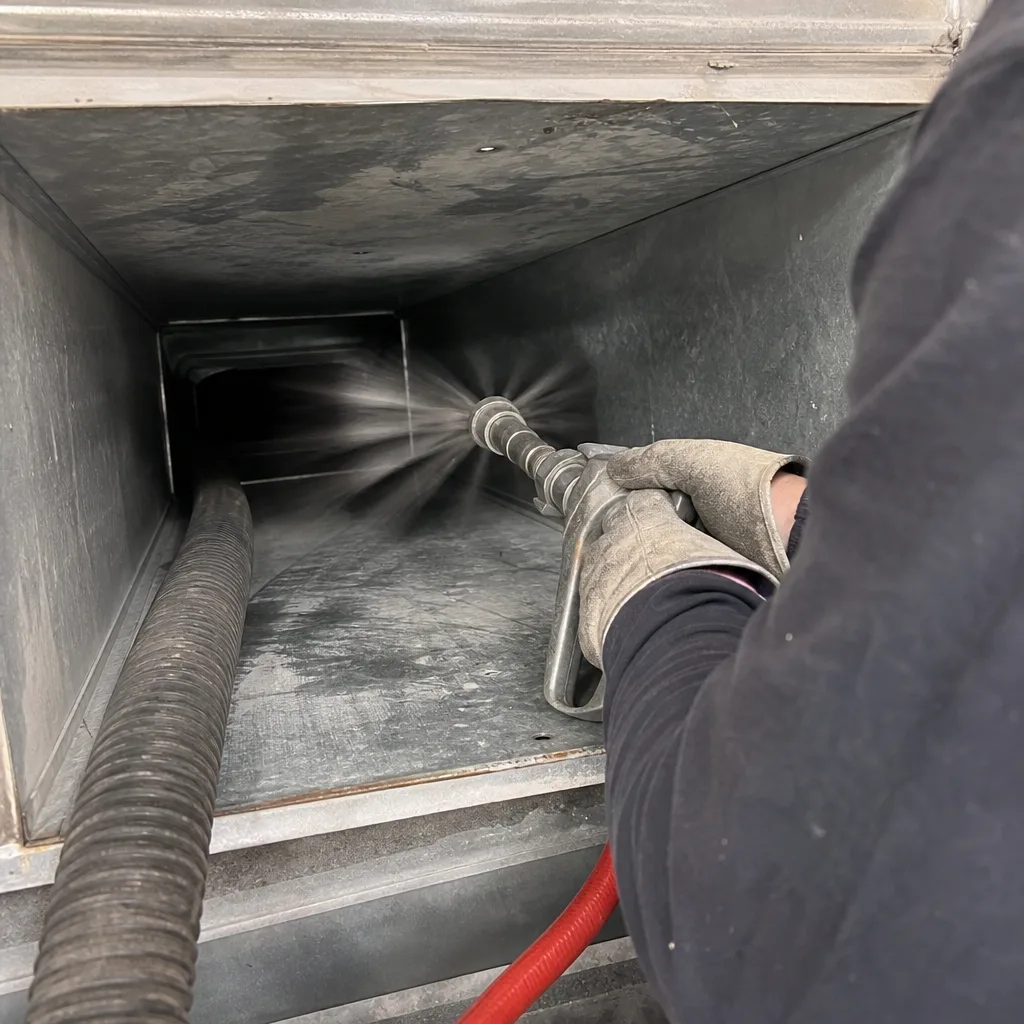
Last updated November 2, 2026
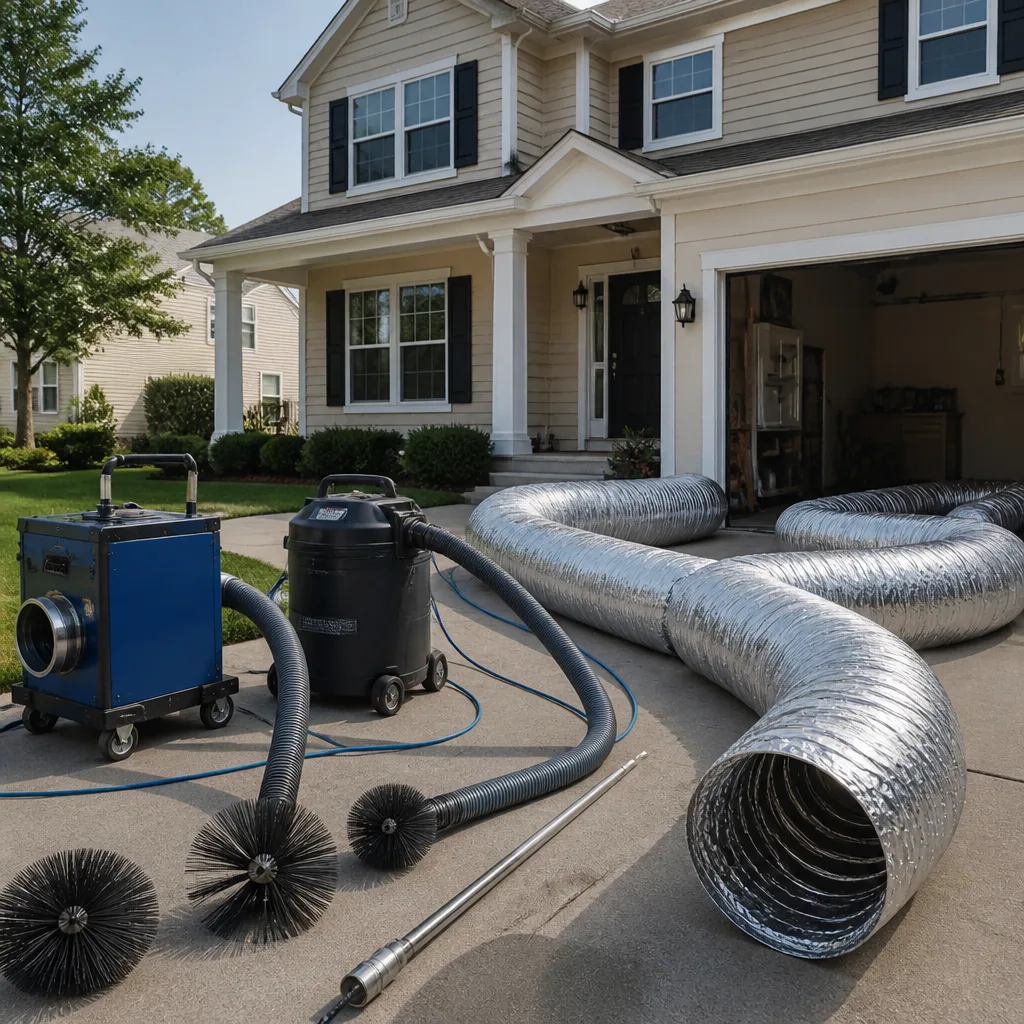 Whole-home duct cleaning
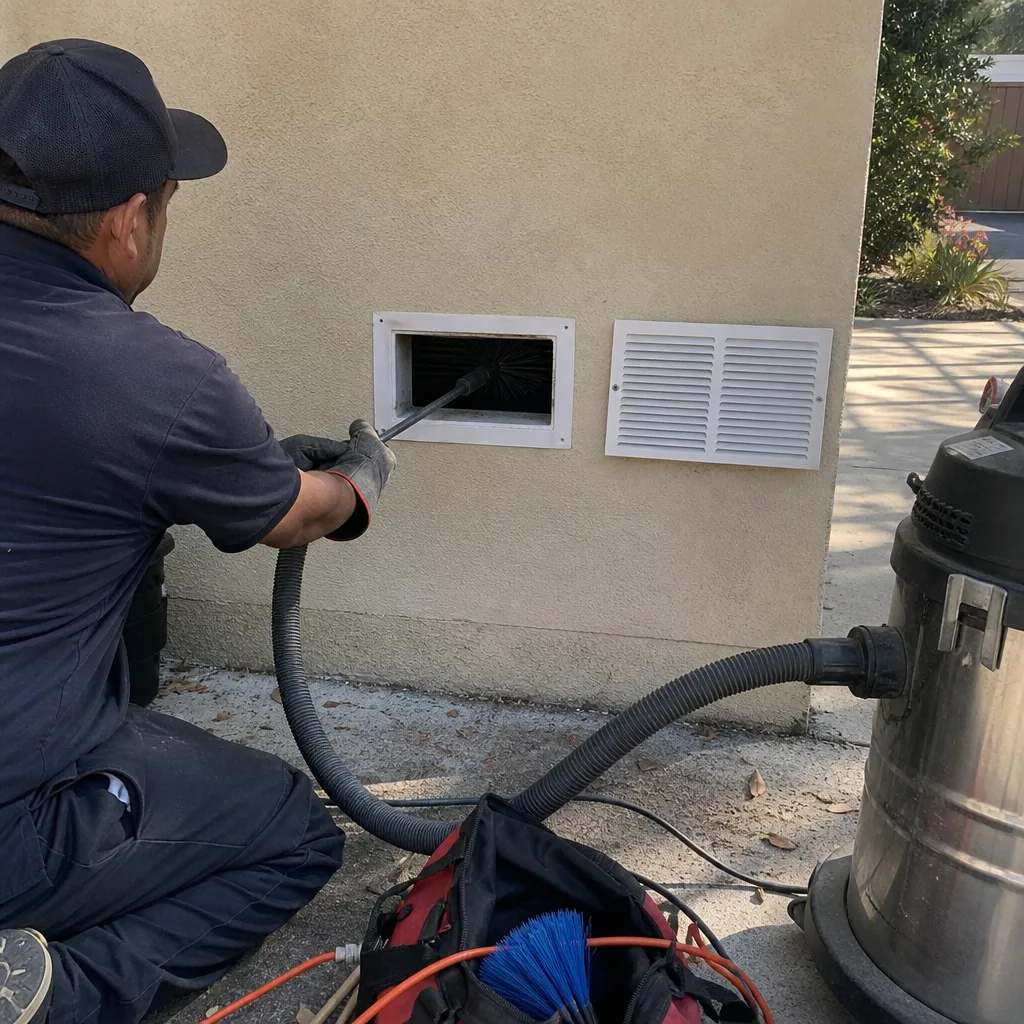
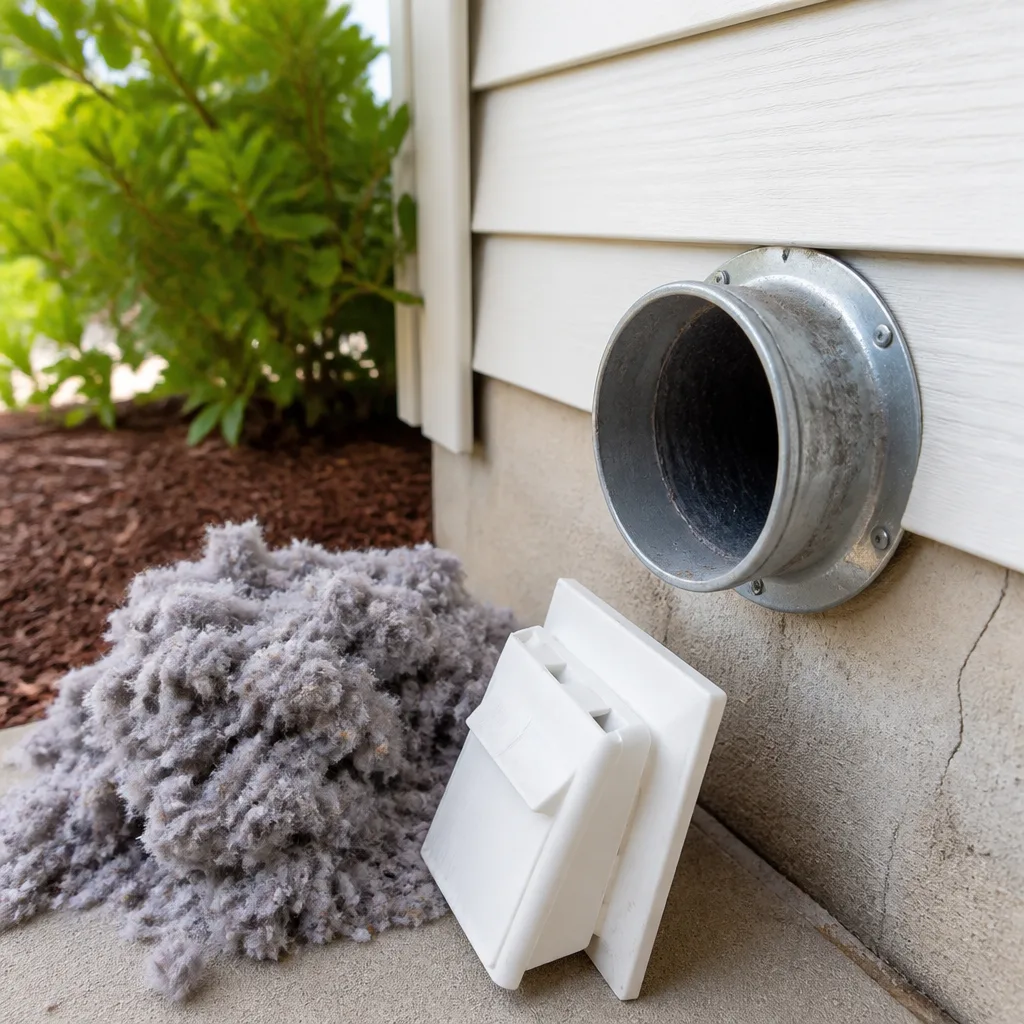 Dryer vent cleaning
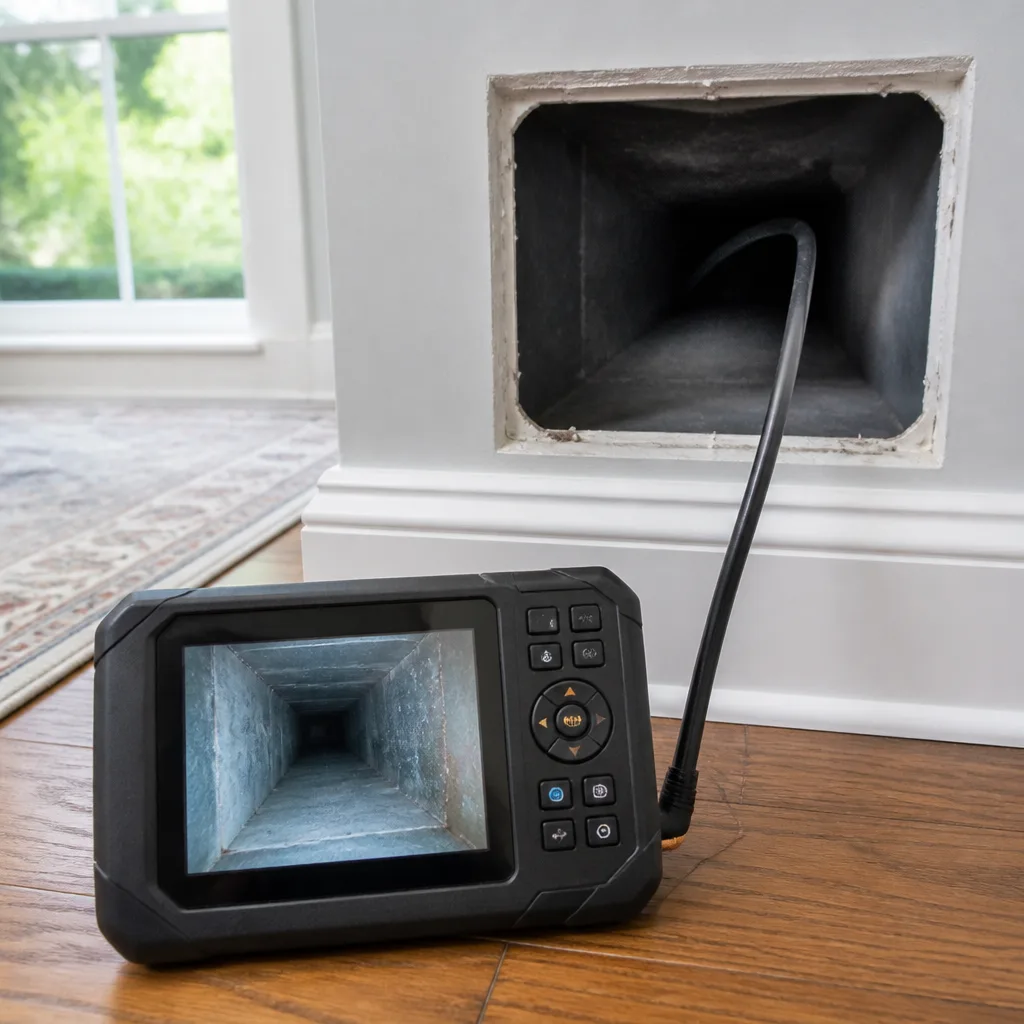 Camera inspection
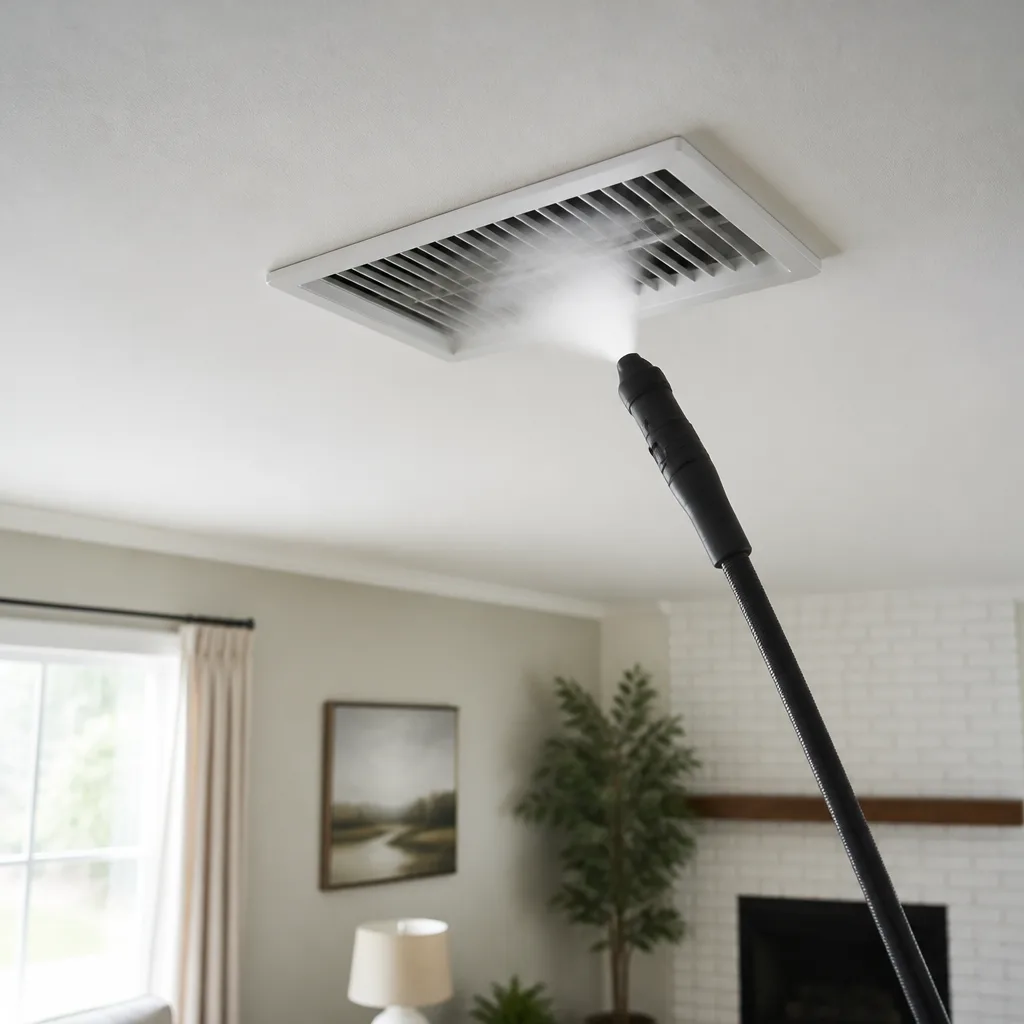 Sanitizing & deodorizing
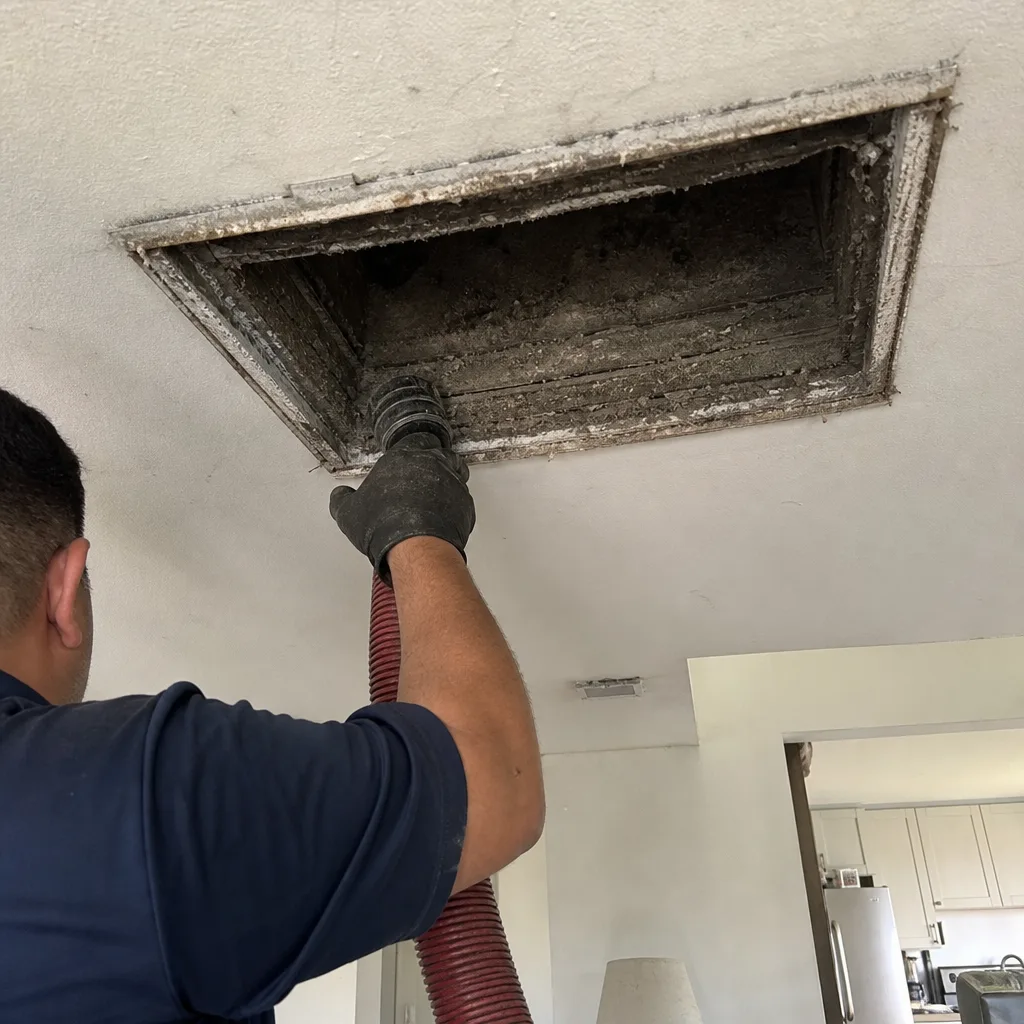
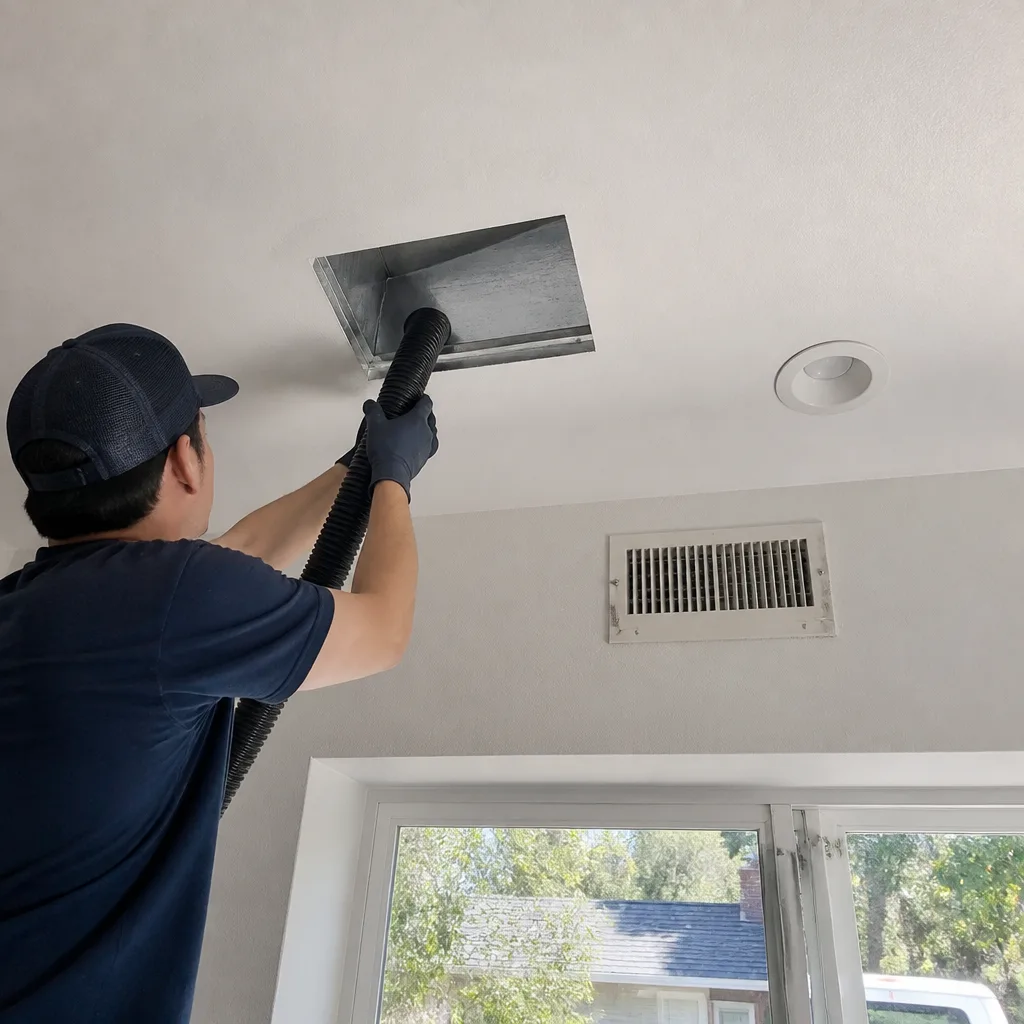
Whole-system duct and dryer vent check with before-and-after photos - you see exactly what came out of your vents
That "$99 whole-house special" is a bait ad - the real number appears once they are in your hallway, or the "clean" is a shop-vac at the register. We photograph the inside of your ducts before and after instead.
Air Duct Cleaning Warning Signs: A Tarzana Homeowner’s Reference Guide
Here’s something most warning-sign articles won’t tell you: a musty smell coming from one register and a musty smell coming from every register are two entirely different problems. The first usually points to a localized issue, maybe a disconnected duct pulling in crawlspace air. The second suggests a system-wide contamination problem. If you’re a Tarzana homeowner, you’re also dealing with a climate that punishes duct problems harder than most: months of 90-plus degree heat, seasonal wildfire smoke, and bone-dry Santa Ana winds that push fine dust into every gap in your system. This guide will teach you to read the specific signals your ducts are sending, so you know whether you’re looking at a cleaning, a repair, or something that needs attention before the next heat wave hits.
Styles & brands we work with
- Whole-home duct cleaning
- Dryer vent cleaning
- Camera inspection
- Sanitizing & deodorizing
Quick Answer
The most reliable air duct cleaning warning signs in Tarzana are visible debris at supply registers, airflow that’s noticeably weaker in some rooms than others, musty or unusual odors that return after the HVAC cycles, unexplained dust accumulation within days of cleaning surfaces, and cooling bills that climb 15-20% in summer without a matching rise in outdoor temperature. If you’re seeing two or more of these signals together, the ducts almost certainly need professional inspection. One symptom alone might be a filter issue; a cluster points to the ductwork itself.
Table of Contents
- Airflow Asymmetry: The Tissue Test and What It Reveals
- Odor Profiling: Reading What Your Ducts Are Telling You
- Visible Debris Typing: Not All Register Dust Is the Same
- Energy Bill Patterns: When Duct Leakage Masquerades as an Aging AC
- Post-Event Triggers: Wildfire Smoke and Santa Ana Winds
- Secondary Signals: Allergies, Humidity, and Sound
- Common Mistakes to Avoid
- When to Call a Professional
- Frequently Asked Questions
- The Bottom Line
Airflow Asymmetry: The Tissue Test and What It Reveals
Airflow that varies noticeably from room to room is one of the clearest diagnostic signals a duct system can give you, and it’s one most guides gloss over. The test costs nothing and takes five minutes. Here’s how to do it properly:
- Set your thermostat to “fan on” rather than auto, so the blower runs continuously while you test.
- Cut or tear a tissue into strips roughly one inch wide and four inches long. You’ll want one strip per register.
- Hold each strip at the same distance from each supply register, about two inches away, and note how far the tissue deflects.
- Compare rooms on the same floor first. A register that barely moves the tissue while another sends it nearly horizontal is a red flag.
The pattern matters more than any single reading. If one register in a far bedroom is weak while adjacent rooms are strong, you’re likely looking at a collapsed flex duct run, a disconnected section, or a kink where the duct was poorly routed through the attic. In Tarzana, where many homes were built in the 1950s through 1970s and have had multiple renovations, it’s common to find flex duct that was compressed or damaged during a remodel and never corrected. We’ve also seen attic rodents chew through flexible duct in neighborhoods near the Santa Monica Mountains where wildlife pressure is higher. When the entire duct run serving one wing of the house is weak, a disconnected trunk line is the more likely culprit. Airflow asymmetry rarely resolves on its own, and cleaning alone won’t fix a collapsed or disconnected duct. That’s a repair issue, which is why air duct repair in Tarzana is a capability worth confirming before you hire any contractor to address the problem.
Odor Profiling: Reading What Your Ducts Are Telling You
Odors are the fastest diagnostic tool you have, but only if you learn to distinguish between the three main categories. Each points to a different root cause and a different remedy.
Microbial Odor (Musty, Damp, Earthy)
This is the classic “dirty sock” smell that appears when the system starts and fades as the air cycles. It indicates moisture has been present somewhere in the duct system long enough for microbial growth to establish. In Tarzana, the most common sources are condensation on the evaporator coil that gets pulled into the supply plenum, or humid air entering through a poorly sealed return. The key diagnostic question is scope: one register smelling musty points to a localized section of ductwork, often a flex run that’s sagging and collecting moisture. Every register smelling musty means the contamination is in the main plenum or trunk lines, or the coil itself is the source. The response differs because localized problems often require repair of the duct run itself, while systemic issues call for a full cleaning with containment, the kind we perform using Abatement Technologies negative-air equipment so loosened debris doesn’t recirculate through your living spaces.
Rodent Odor (Ammonia, Urine, Musky Animal)
This signature is sharp and acrid, and it’s unmistakable once you’ve smelled it. It means animals have been living, and very likely nesting, inside the ductwork or in the attic where returns and supplies run. In Tarzana’s older homes with accessible crawlspaces and attics, rats and mice find duct insulation material ideal for nesting. The problem here is twofold: the ducts need cleaning to remove contaminated material, and the entry point needs to be identified and sealed or the problem recurs within months. Odor alone tells you the ducts need opening up and inspecting, which is a scope of work that goes beyond a basic cleaning.
Combustion Odor (Metallic, Smoky, Acrid)
A smell like hot metal or faint smoke that appears when the heat runs is a serious signal. It can indicate a cracked heat exchanger, burning dust that accumulated on heating elements during the off-season, or debris that’s been pulled into the blower compartment. If you smell gas, that’s an immediate utility-company call and you should shut the system down. But the metallic version often appears in Tarzana during the first few heating cycles of late fall, after months of cooling-only operation has baked a fine layer of dust onto the heat exchanger. A professional cleaning of the blower assembly and heat exchanger surfaces addresses this, but this is a case where you want the inspection done by someone who knows what a compromised heat exchanger looks like versus simple dust burn-off.
Visible Debris Typing: Not All Register Dust Is the Same
Stand under a supply register in strong light and look closely at what’s accumulated on the vent cover. The color, texture, and location of the debris tells you more than a generic “dirty ducts” conclusion ever could.
- Gray, fluffy lint-like material: This is typically household dust, skin cells, and carpet fibers that have been drawn into the return side and redistributed. It accumulates on the supply side because the air pushing out carries it along. This is the most common presentation of normal duct accumulation and responds well to professional cleaning.
- Black, sooty particulate: This has a different signature entirely. In Tarzana, the most common source is candle soot, fireplace use, or residue from wildfire smoke that entered the home and settled in the ducts. If the particulate is greasy to the touch and concentrated near return grilles, it’s likely candle or cooking residue. If it’s fine and uniformly distributed, wildfire smoke is the probable culprit and the ducts may need cleaning alongside a filter replacement.
- Insulation fibers (pink, yellow, or white strands): This is a significant finding. Fiberglass insulation fibers at the supply registers mean duct insulation is degrading somewhere and being carried into the living space. It could be from deteriorating duct lining inside an older rigid duct, or from insulation above a disconnected duct section that’s pulling attic air directly into the supply stream. This is less a cleaning issue than a repair problem with a cleaning step to remove what’s already distributed.
- Drywall dust or construction debris: If you’ve had renovation work done in the last year, fine white or gray powder at the registers is likely construction dust that was pulled into the return ducts during the project. Tarzana’s older housing stock means renovations are constant across the neighborhood. Drywall dust is abrasive and can shorten blower motor life if it’s allowed to accumulate, so this is a case where cleaning sooner rather than later protects your equipment.
The takeaway: look before you assume. The type of debris at the register tells you whether you’re dealing with normal accumulation, a contamination event, or a structural duct problem. If you’re uncertain what you’re seeing, that’s exactly the kind of situation where a professional assessment beats guessing. Our team runs air duct cleaning in Tarzana with a diagnostic eye, not just a cleaning wand, because the debris signature changes what the job actually requires.
Energy Bill Patterns: When Duct Leakage Masquerades as an Aging AC
If your cooling costs have jumped 15-20% over the same billing period last year, and the outdoor temperatures haven’t been dramatically higher, duct leakage should be on your list of suspects before you assume the condenser unit is failing. Here’s the logic: a typical Tarzana home with a duct system in good condition delivers about 90-95% of the air the blower pushes into the conditioned space. When ducts leak, that delivery efficiency drops. A system losing just 20% of its conditioned air to the attic or crawlspace has to run 20% longer to hit the same indoor temperature. That’s not a slow decline; it shows up as a step change in your bill.
What causes this kind of leakage? In our experience across the San Fernando Valley, the most common culprits are disconnected flex duct joints where the zip ties or clamps have failed, poorly sealed connections at the plenum, and duct runs that have been crushed by attic traffic or fallen insulation. Metal duct systems in older Tarzana homes also develop gaps at seam connections over decades of thermal cycling, hot Santa Ana afternoons and cooler evenings cause the metal to expand and contract repeatedly. Tapes dry out, mastic cracks, and the gaps open up. This is worth flagging because it’s a fixable problem, and fixing it pays for itself in reduced runtime. A professional duct repair in Tarzana typically involves locating leaks with a pressure test or visual inspection and sealing them with proper mastic and mechanical fasteners. Cleaning alone will not restore your energy efficiency if the ducts are leaking; but if the ducts have accumulated debris AND are leaking, you want a company that can handle both rather than coordinating two separate contractors.
Post-Event Triggers: Wildfire Smoke and Santa Ana Winds
Tarzana sits in a specific weather pattern that creates two predictable contamination events each year, and most ducts in the area carry the evidence of both.
Wildfire Smoke
When wildfire smoke settles over the Valley, your HVAC system becomes the filter for the entire house. Even with a good filter installed, fine smoke particles that get pulled into the return ducts settle on the interior surfaces of the ductwork, the blower wheel, and the coil. What to look for in the 72 hours after a smoke event:
- Smoke odor that persists after outdoor air has cleared and windows are open, indicating it’s trapped in the ducts.
- Reduced airflow from a loaded filter, but also from smoke residue accumulating on the blower wheel and reducing its efficiency.
- Dark particulate at the supply registers in the days following the event, particularly in rooms farthest from the return.
If your system ran during the smoke event, cleaning the ducts and replacing the filter is the standard response. We use Rotobrush and Nikro systems for this kind of contamination removal because they’re built to dislodge fine particulates that a less powerful setup would simply leave in place. A Honeywell high-efficiency filter upgrade afterward is a practical step for homeowners who want better protection for the next event, and it’s a product line we work with regularly.
Santa Ana Wind Dust
The dry, sustained winds that sweep through Tarzana in the fall and early winter push fine dust through every exterior gap. What most homeowners miss is that the return duct system, particularly the return chase in the garage or an exterior wall, pulls in that dust during every blower cycle. The signals are subtle: fine dust accumulating on surfaces within two to three days of cleaning, a gritty feel to indoor air in the mornings, and dust streaks forming on the wall near return grilles. If you’re seeing these patterns after a Santa Ana period, the return side of your system likely has gaps that are pulling in unfiltered attic or garage air. That’s worth investigating on its own, because a leaking return means your lungs are filtering the attic, not the HVAC filter.
Secondary Signals: Allergies, Humidity, and Sound
Three additional signals deserve attention alongside the primary ones, because they often appear before the more obvious signs.
Allergy Symptoms That Track With System Runtime
If your allergy symptoms worsen when the AC runs and improve when it’s off for hours at a time, the system is likely distributing something you’re reacting to. This could be accumulated dust mites in the ducts, mold spores from a moisture problem, or pollen that entered during open-window weather and settled in the ductwork. The pattern to watch for is the key: symptoms that are constant regardless of whether the system runs point to the bedroom itself or seasonal outdoor allergens. Symptoms that ramp up within 30 minutes of the AC starting point to the ducts.
Humidity That Won’t Stay Down
Tarzana isn’t a humid climate, but indoor humidity that runs above 55% during the summer cooling season suggests the AC is short-cycling or the ducts are pulling in outside air from somewhere. Both conditions create the moisture that leads to microbial growth in the ductwork. A properly sealed duct system keeps conditioned air inside and unconditioned air outside, so persistent humidity is a signal worth chasing to the duct work rather than blaming the weather.
New Sounds From the Ductwork
Rattling when the blower starts or stops can signal a disconnected section of duct flapping with the pressure change. A whistling sound at specific registers often means a partially closed damper or a register boot that’s separated from the duct run. Hissing that’s consistent with the blower running points to air escaping from gaps in the duct walls or joints. These are all auditory versions of the airflow asymmetry test, and they’re all pointing to the same conclusion: someone should look inside the ducts.
Common Mistakes to Avoid
- Assuming every duct cleaning company has the same equipment. The difference between a Rotobrush or Nikro system and a shop-vac setup is the difference between dislodging embedded debris and simply skimming what’s loose. Most Tarzana homeowners don’t discover this until after a subpar clean leaves the same symptoms in place.
- Treating all odors as the same problem. Musty, ammonia, and combustion odors point to three different root causes. Cleaning addresses one; repair addresses another; a service call on the heat exchanger addresses the third. Guessing wrong wastes money.
- Fixing symptoms without inspecting the ducts. Changing the filter more often or dusting every other day treats the visible effect while the duct system continues distributing whatever’s causing it. If the ducts are the source, surface cleaning is just churn.
- Assuming low airflow is normal in a particular room. It’s common to accept that the back bedroom is always warmer and write it off. That room is telling you something about the duct run serving it, and it’s usually fixable.
- Using the system during a smoke event without thinking about the consequences. Running the AC with a standard filter during heavy wildfire smoke loads the duct interior with fine particulates. Evacuating that contamination afterward requires cleaning, not just a filter swap.
- Signing up for a $99 whole-house cleaning. The math doesn’t work. Proper equipment, containment, and thorough cleaning of every supply and return run takes hours. A price that low either means the job is skimmed or there’s an upsell waiting. We quote one flat price based on system size, agreed before work starts, and we don’t play per-vent pricing games.
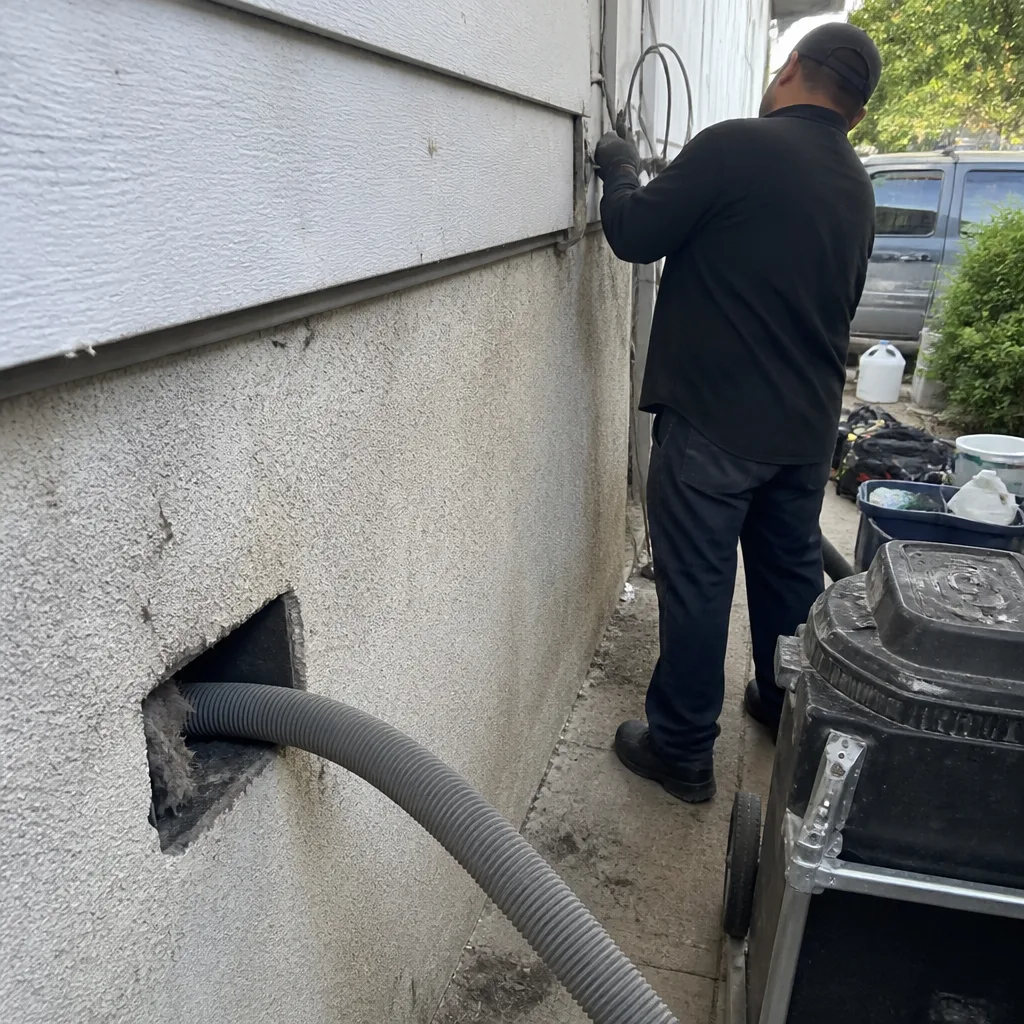
- Neglecting the dryer vent while focusing on the HVAC ducts. The dryer exhaust is a separate airflow system with its own fire risk. It needs its own cleaning schedule. We treat dryer vent cleaning in Tarzana as a dedicated specialty, with the same equipment-first methodology we apply to HVAC ducts, because lint accumulation is a fire hazard that doesn’t announce itself in the same way duct dust does.
When to Call a Professional
Call a duct specialist when you’re seeing a cluster of signals rather than a single symptom. Visible debris at registers combined with uneven airflow means the ducts need both inspection and cleaning. Musty odor from multiple registers means the source needs locating before cleaning begins. Persistent dust within days of cleaning surfaces means the system is actively distributing something. And if you’ve had a wildfire smoke event or renovation project within the last year and haven’t had the ducts cleaned since, the accumulation is measurable. Air Duct Cleaning Tarzana offers free estimates in Tarzana, and we’ll inspect the system before we quote, so you know what you’re dealing with before you spend anything. Call (866) 472-7239 to schedule a look at what your ducts are telling you.
Frequently Asked Questions
You know your ducts need cleaning when you can see debris accumulating at the supply registers, when airflow is noticeably weaker in some rooms than others, when odors return within days of the HVAC cycling, or when dust coats surfaces within two to three days of cleaning them. A visible accumulation of dust on the inside of the supply register itself is a direct confirmation. If you can remove the register cover and see dust built up on the interior surfaces, the ducts have enough accumulation to warrant professional attention.
Whole-system air duct cleaning in Tarzana typically ranges from $350 to $750 depending on the size of the home, the number of supply and return runs, and whether repairs are needed alongside the cleaning. Homes with two systems, multiple returns, or older ductwork that requires repair during the process will land at the higher end. The price you’re quoted should be a flat price per system, not a per-vent price that can balloon once the crew arrives. Call (866) 472-7239 for an exact quote on your system, and we’ll inspect before we bid.
Cheaper quotes almost always mean different equipment and less thoroughness. A crew with a shop-vac and a drill brush can’t dislodge embedded debris the way a Rotobrush or Nikro system can, and they typically don’t run negative-air containment to prevent loosened dust from recirculating into the living space. They also won’t be able to repair any problems they find, which means you’ll pay someone else later to fix what the cleaning exposed. We price our work based on the time and equipment it takes to clean the system thoroughly, not to match a low bid that cuts corners.
Ask for before-and-after photos of the duct interior as part of the service. Any professional operation using professional equipment should be able to show you the condition of the duct surfaces before and after the cleaning, with the debris removed visible in the containment unit. You can also do your own check by removing a register and wiping the interior with a clean white cloth after the job; it should come back with minimal residue. We provide before-and-after documentation on every cleaning because the proof should be visible, not promised.
Most homes benefit from a full duct cleaning every three to five years, but Tarzana’s specific conditions shift that timeline. Homes that run the AC heavily during the long cooling season, homes that had the system running during wildfire smoke events, and homes with pets or recent renovations should consider cleaning every two to three years. Homes with a documented rodent issue need cleaning immediately plus a repair to seal the entry point. The honest answer is that “every three years” is a starting point, and your register inspection is the real guide.
Yes, particularly when the system is distributing accumulated dust, pollen, or pet dander from the duct interior every time the blower runs. The tell is a pattern: symptoms that worsen within 30 minutes of the AC starting and improve when it’s been off for hours point to the duct system as a distribution mechanism. Cleaning removes the accumulated reservoir, but if you’re allergic to something that’s entering the ducts from outside, like pollen through a leaky return, the repair matters as much as the cleaning. Call (866) 472-7239 and we’ll help you figure out which situation you have.
The Bottom Line
Your duct system is constantly communicating with you, through the debris it deposits, the odors it carries, the airflow it delivers, and the energy it wastes. Learning to read those signals means catching problems before they become expensive ones. A single weak register is a repair job. A musty smell from everywhere is a contamination event. A 20% summer bill spike that doesn’t match the weather is a leak. And a smoke event that lingers in your indoor air for weeks afterward is a cleaning you shouldn’t postpone. If you’re seeing any of these patterns, air duct cleaning in Tarzana starts with a proper inspection. Call (866) 472-7239 and we’ll tell you exactly what your ducts are saying.
Written by the team at Air Duct Cleaning Tarzana, serving Tarzana since 2013.
See the difference
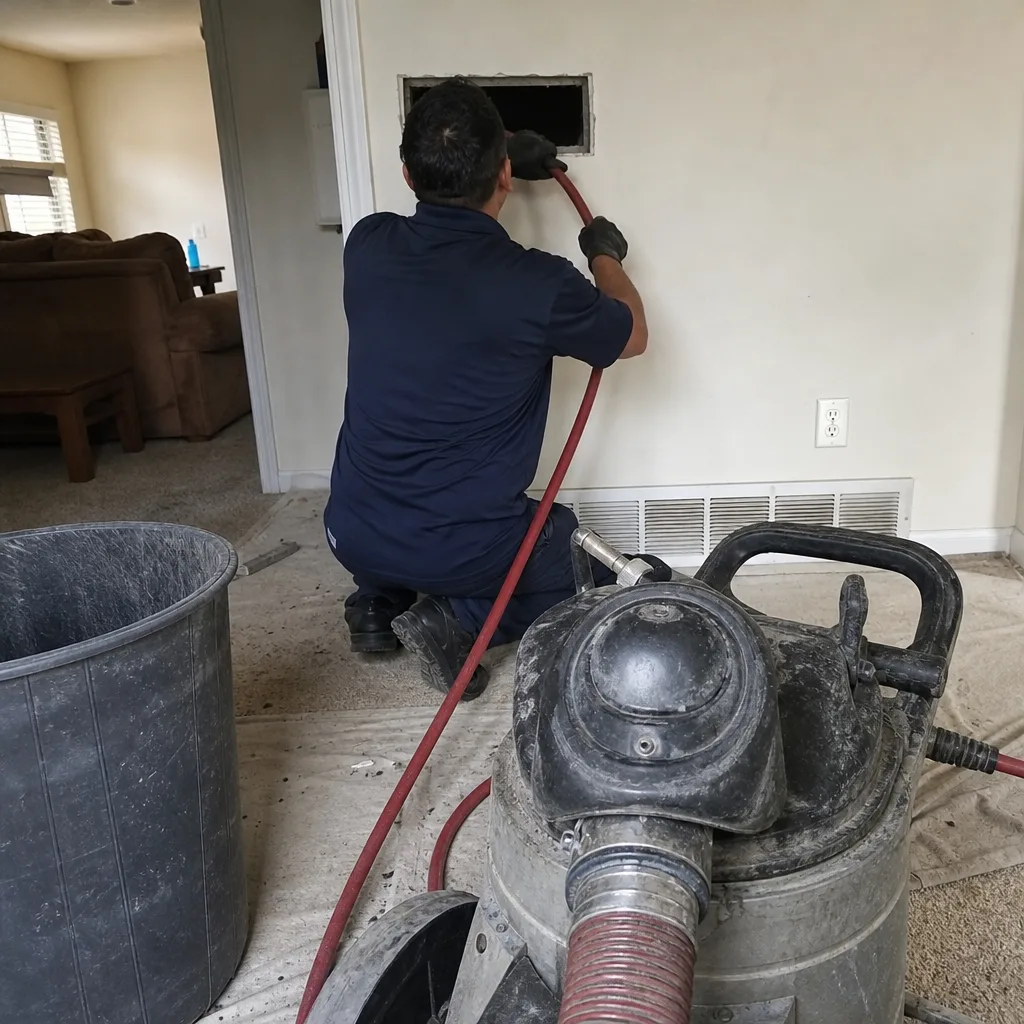 Before
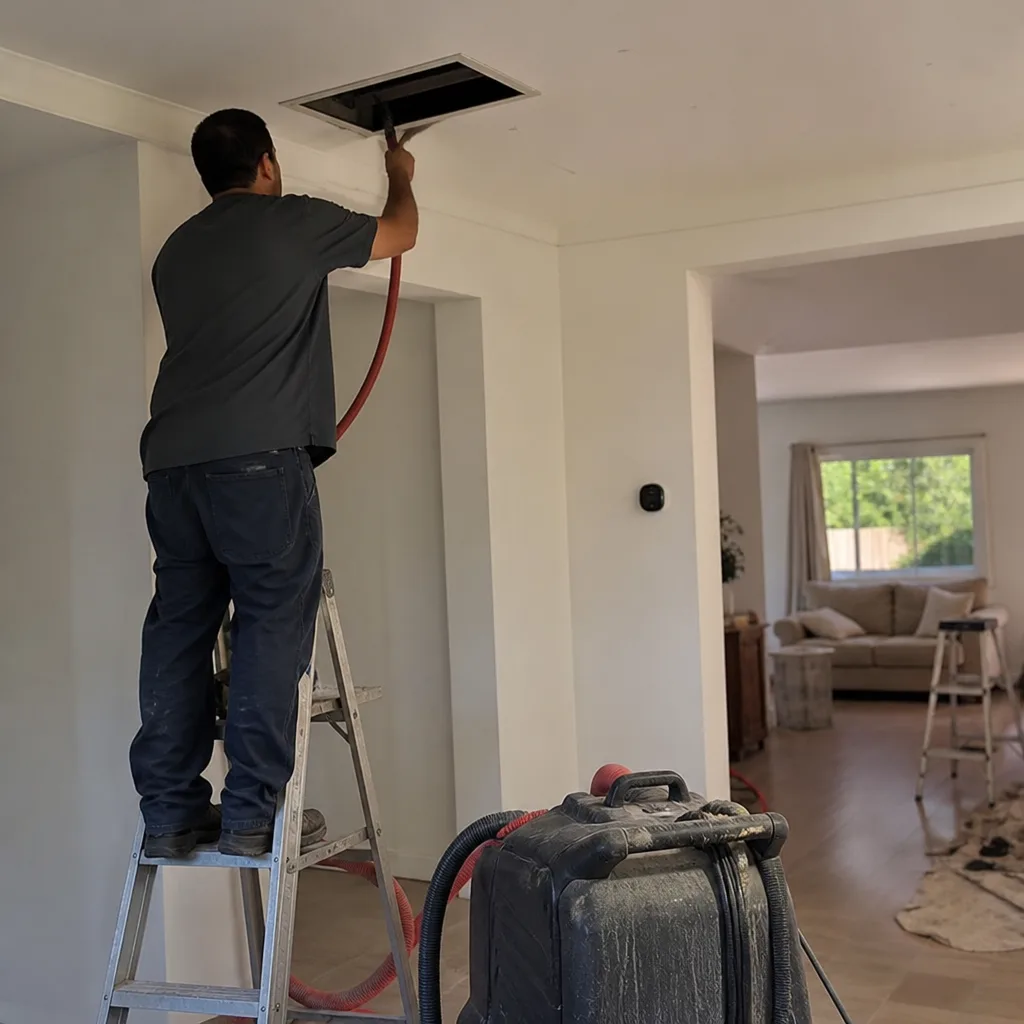 After
 Before
 After
 Before
 After