
Last updated November 3, 2026
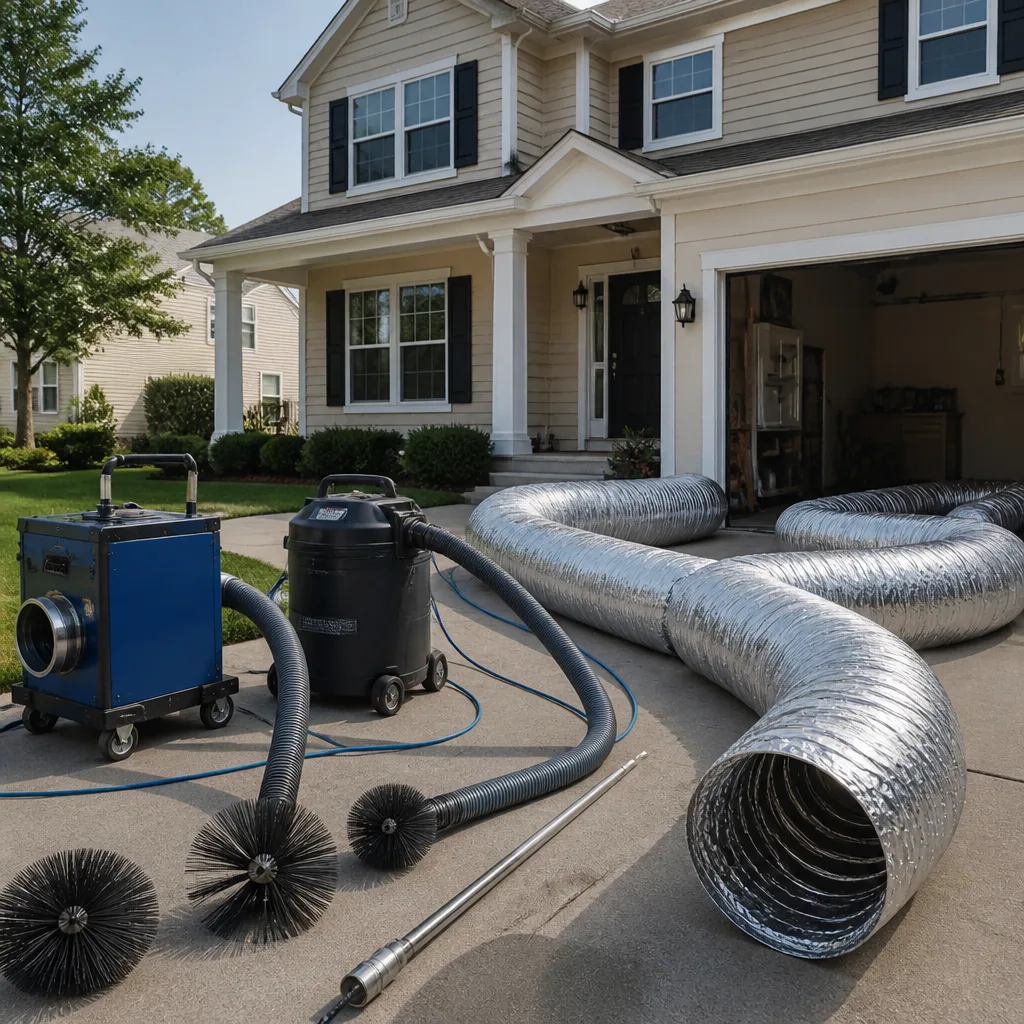 Whole-home duct cleaning
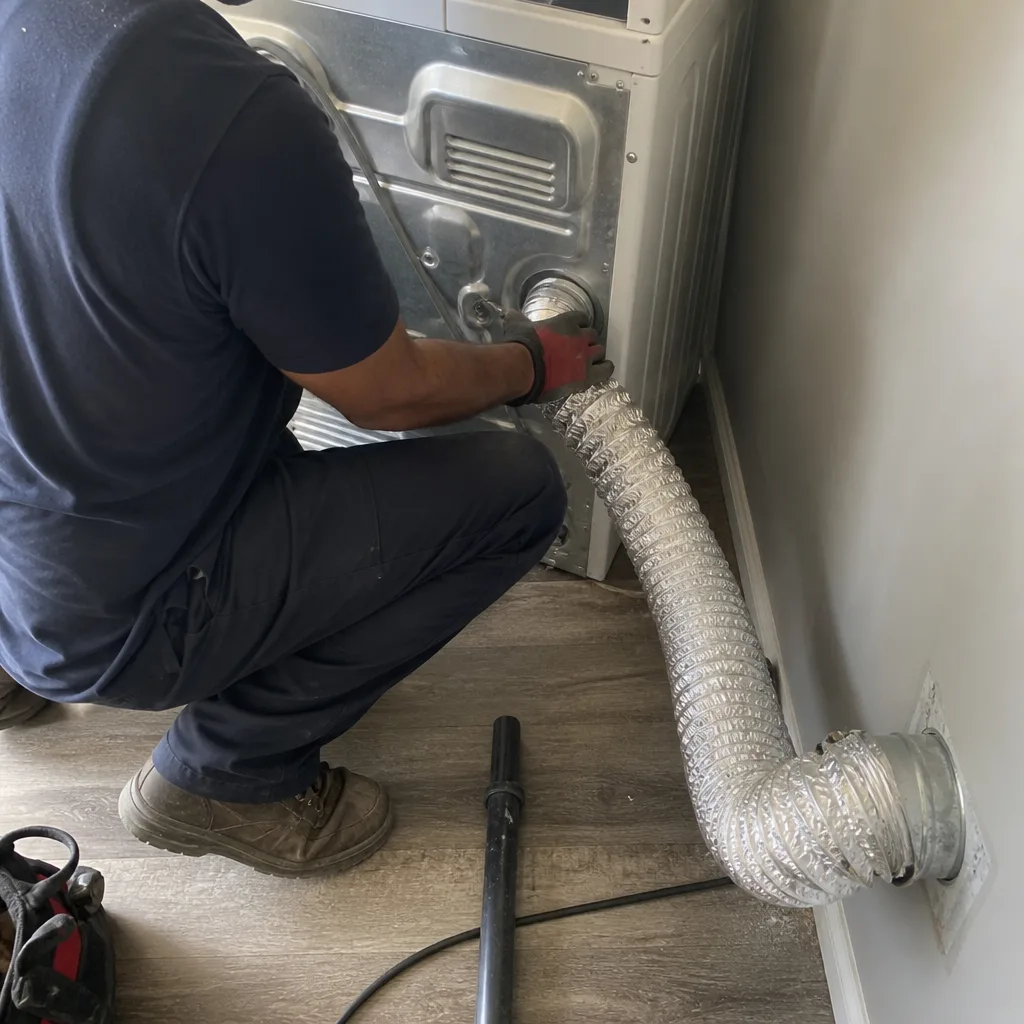
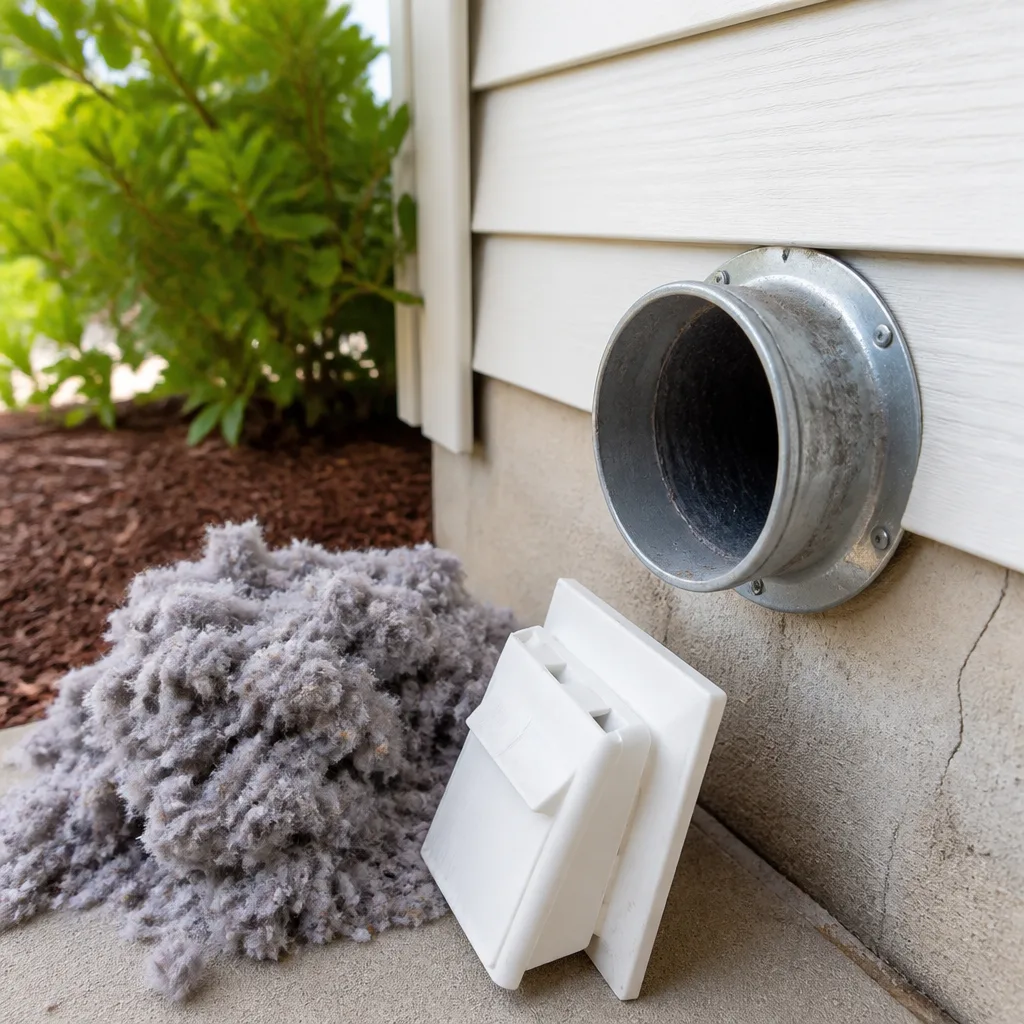 Dryer vent cleaning
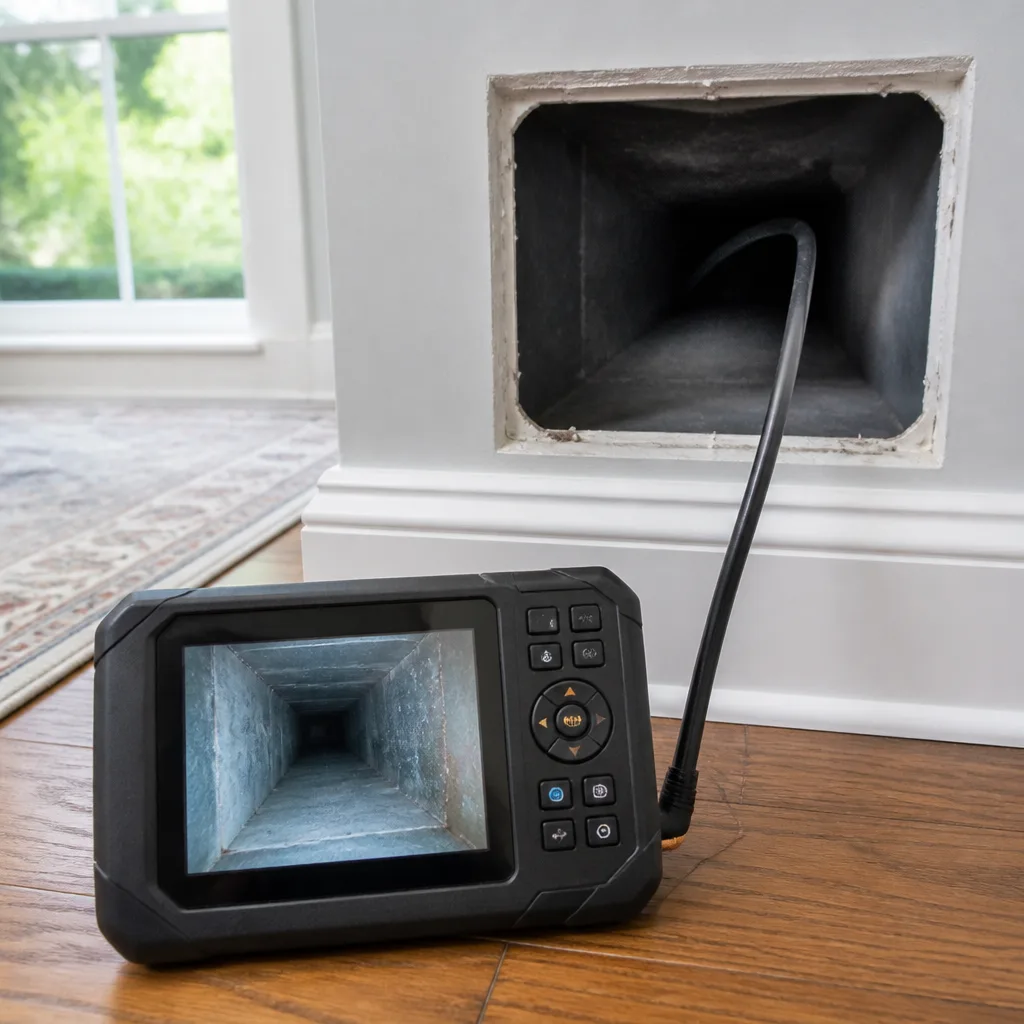 Camera inspection
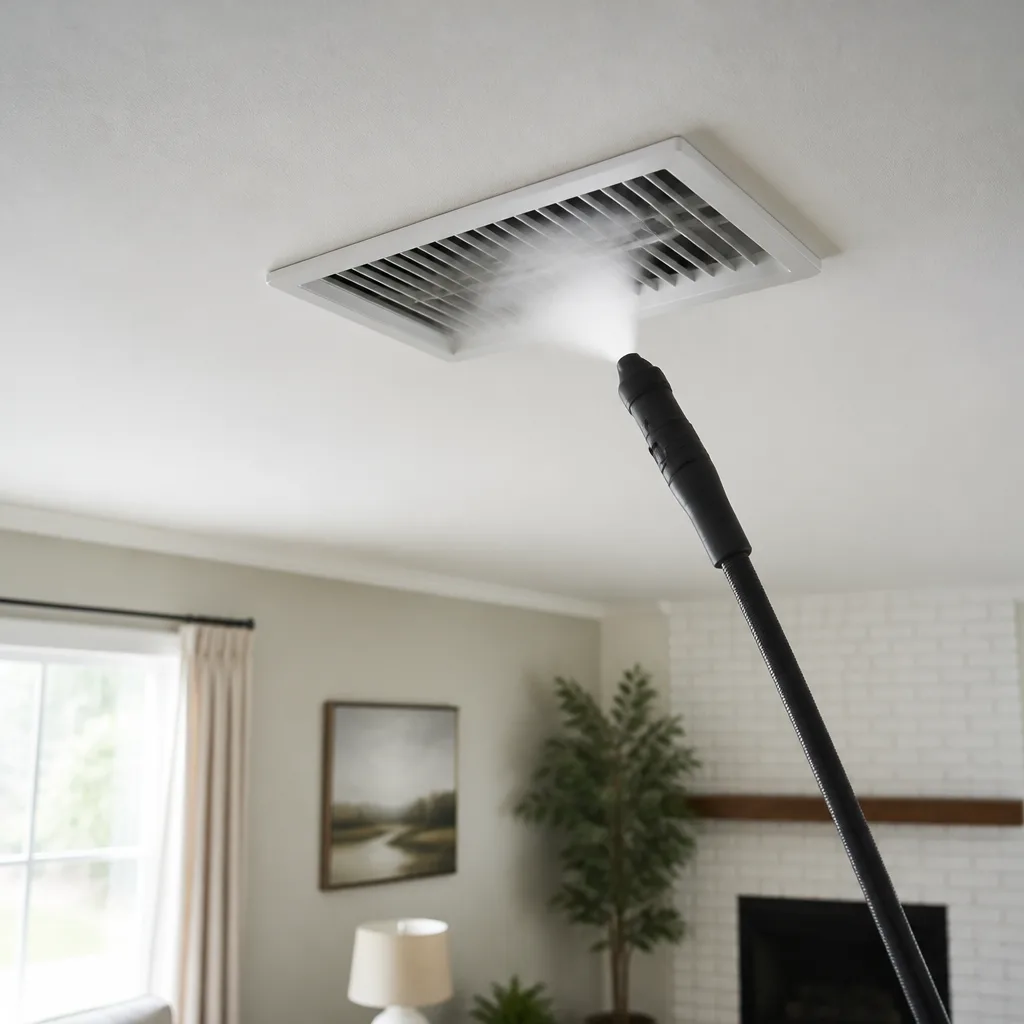 Sanitizing & deodorizing
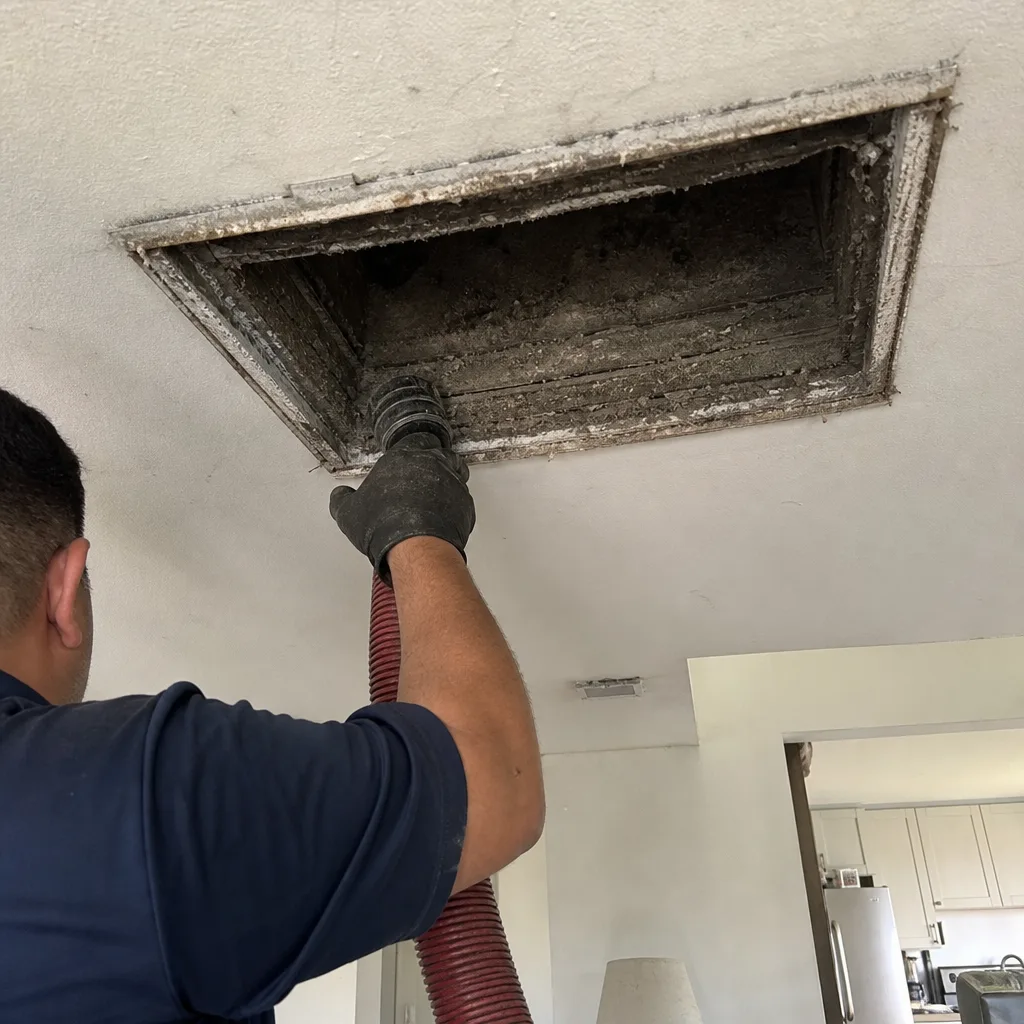
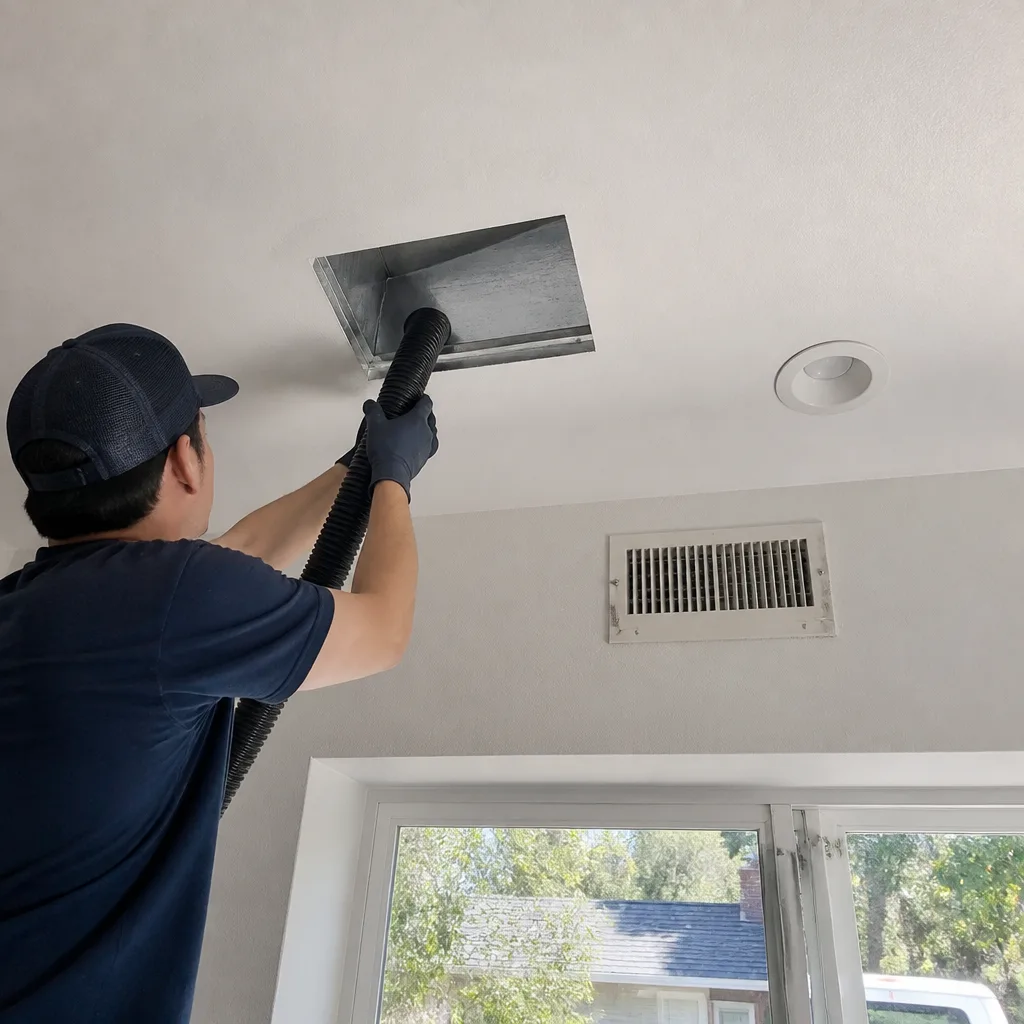
Whole-system duct and dryer vent check with before-and-after photos - you see exactly what came out of your vents
That "$99 whole-house special" is a bait ad - the real number appears once they are in your hallway, or the "clean" is a shop-vac at the register. We photograph the inside of your ducts before and after instead.
Choosing the Right Air Duct Cleaning Brand: A Buyer’s Guide for Tarzana
Most homeowners in Tarzana start their search for duct cleaning by looking for a recognizable brand name, assuming a national franchise must deliver better results than a local operator. The reality is closer to the opposite. Unlike HVAC equipment manufacturers like Carrier or Trane, there are no meaningful brand tiers in duct cleaning services, because the company name tells you almost nothing about what will happen inside your ducts. What tells you everything is the vacuum system model they show up with, and whether the technician is trained to repair ductwork or just clean around its problems. This guide will walk you through how to evaluate any duct cleaning provider in Tarzana by the variables that actually determine quality: equipment class, service scope, certification, and local accountability. For a deeper dive, see The Complete Air Duct Cleaning Guide for Tarzana Homeowners.
Styles & brands we work with
- Whole-home duct cleaning
- Dryer vent cleaning
- Camera inspection
- Sanitizing & deodorizing
Quick Answer
The right air duct cleaning provider in Tarzana is not determined by brand recognition but by three verifiable factors: professional-grade equipment (Rotobrush or Nikro systems, not shop vacuums), the ability to repair ductwork rather than just clean it, and verifiable NADCA membership with a physical local presence. A local Tarzana specialist with commercial-caliber equipment and repair capability – like those offering our Air Duct Cleaning services – will consistently outperform a national franchise running standardized, lower-cost equipment with cleaning-only technicians.
Table of Contents
- Why Brand Names Don’t Work in Duct Cleaning
- The Equipment Audit: What the Vacuum System Tells You
- Certification vs. Membership: How to Verify Both
- Cleaning vs. Repair: Why Scope of Service Changes Everything
- Local vs. National: How Accountability Actually Works in Tarzana
- What a Professional Duct Cleaning Should Include
- Questions to Ask Any Duct Cleaning Company Before You Book
- Common Mistakes to Avoid
- When to Call a Professional
- Frequently Asked Questions
- The Bottom Line
Why Brand Names Don’t Work in Duct Cleaning
When you buy a furnace, the brand on the cabinet represents a single manufacturer’s engineering, warranty, and parts network. When you hire a duct cleaning company, the brand on the van represents a marketing layer, not a product. The actual work is performed by whichever technician shows up with whichever equipment that particular franchisee or independent operator decided to purchase. In the duct cleaning industry, a national franchise name does not standardize quality the way it does in fast food or auto service. It standardizes a logo, a phone script, and often a lower equipment tier that the franchisee can afford while still paying franchise fees.
In Tarzana, the duct cleaning market is dominated by independent operators and small regional companies. Some are excellent. Some are operators with a rented van and a portable vacuum they bought at a hardware store. The company name on either one could sound professional. A franchise with a polished website might dispatch a technician with entry-level equipment and a checklist that prioritizes speed over thoroughness, because the franchise economics require completing four or five jobs per day. An independent Tarzana operator who has been working in the San Fernando Valley for years, owns commercial-grade equipment, and performs duct repair as well as cleaning can deliver a categorically better result. The brand name predicted none of that.
So the first reframe for any Tarzana homeowner is this: stop comparing company names and start comparing what the company can prove. The three proofs that matter are equipment, certification, and scope of service. Each gets its own section below.
The Equipment Audit: What the Vacuum System Tells You
The single most revealing question you can ask any duct cleaning company, national or local, is this: “What vacuum system do you use, and what’s the model?” The answer separates professional duct cleaners from improvised ones faster than any review or sales pitch.
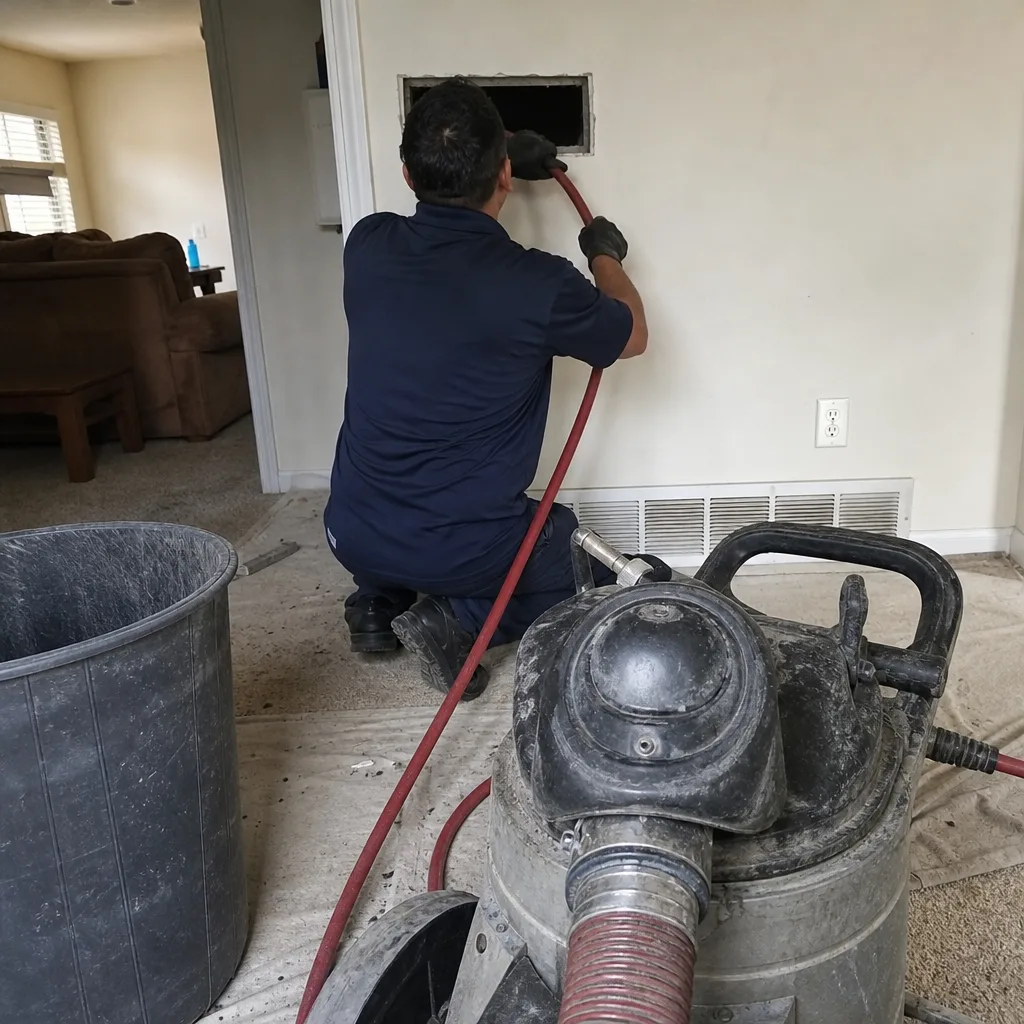
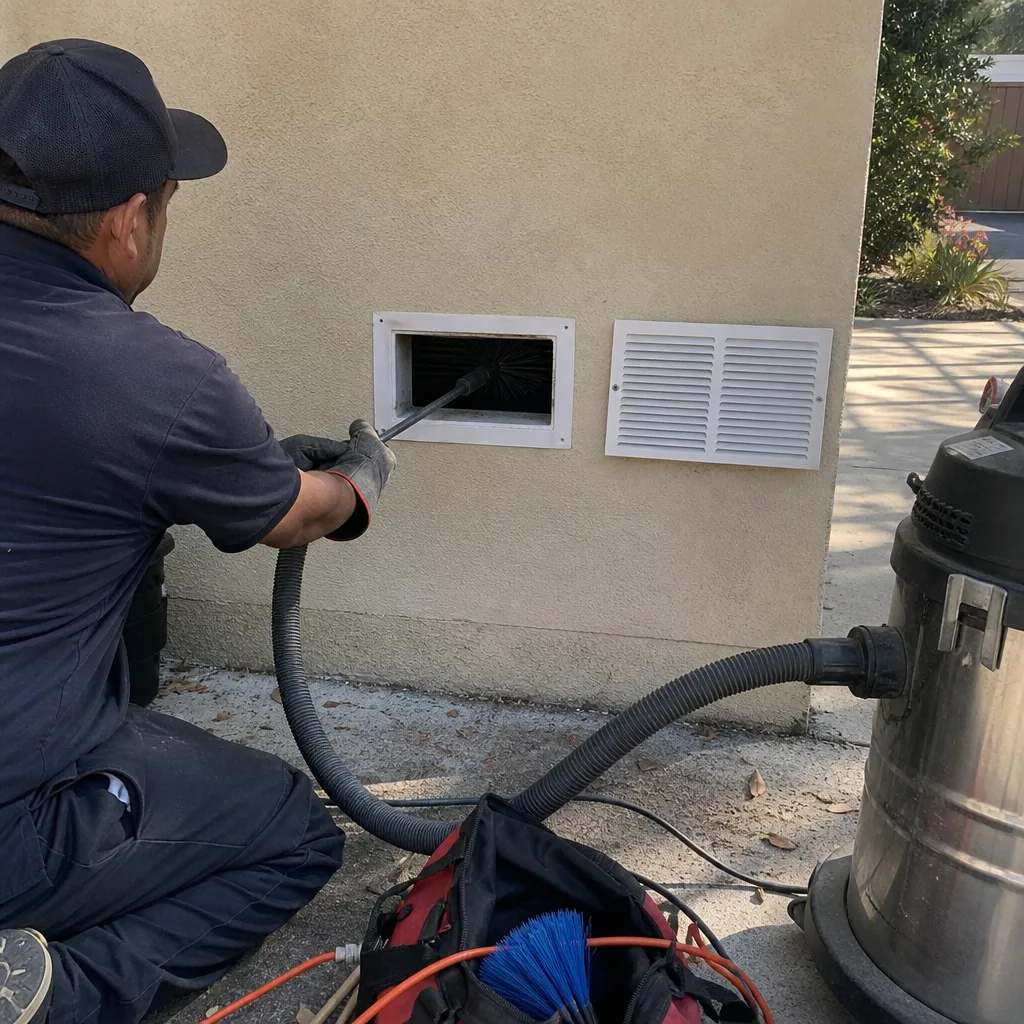
Professional duct cleaning requires negative air pressure, which means a vacuum system powerful enough to pull loosened debris out of your ductwork while a separate agitation device dislodges it from the duct walls. The industry-standard platforms for this are Rotobrush and Nikro systems. Rotobrush combines rotary brushing with vacuum extraction in a single system. Nikro builds truck-mounted and portable negative-air machines designed specifically for duct and ventilation cleaning. When a technician arrives with one of these platforms, you are watching a purpose-built machine designed by engineers who specialize in duct cleaning. When a technician arrives with a consumer shop vacuum and a spinning brush attached to a drill, you are watching someone improvise.
Ask specifically about negative-air containment as well. Abatement Technologies manufactures the negative-air and containment equipment used in professional duct cleaning, and it serves a critical function: it maintains negative pressure inside your duct system while cleaning is underway, so that loosened debris and fine particulate are pulled toward the vacuum source instead of recirculating into your living room. Many residential cleaners skip this step entirely because it requires additional equipment and time. A company that mentions Abatement Technologies by name, and can explain how they set up containment around each register, is operating at a commercial-caliber level. A company that cannot answer the containment question is telling you something useful about its process.
What to Listen For
- “Rotobrush” or “Nikro” by name. These are specific, expensive, purpose-built systems. Companies that own them say so proudly.
- “Negative air” or “Abatement Technologies.” This shows an understanding of containment, not just suction.
- Agitation plus extraction described as separate steps. Vacuum alone does not clean ducts. The debris must be mechanically dislodged first.
- Specific answers to specific questions. A professional can tell you the vacuum’s airflow rating in CFM. An improviser will say “it’s really powerful.”
In our experience serving Tarzana homes, we have seen duct systems that looked clean after a low-cost cleaning but were still coated with the fine dust that triggers allergy symptoms, because the equipment never generated enough airflow to pull the fine particulate out. The right equipment does not just move visible debris. It changes the air pressure inside the ducts enough to extract the particles you cannot see.
Certification vs. Membership: How to Verify Both
The duct cleaning industry has a credential problem, and it is easy to exploit. Most consumers have heard the phrase “certified technician,” and most consumers assume that means something specific. In many cases, it means the technician completed a short internal training program created by the company itself. That is not a credential. It is an onboarding process with a certificate at the end.
The meaningful credential in duct cleaning is NADCA, the National Air Duct Cleaners Association. NADCA membership requires adherence to the ACR standard, which is the only industry-wide standard for duct cleaning procedures and equipment. NADCA also provides verifiable certification: the Air Systems Cleaning Specialist (ASCS) credential, which requires documented experience, adherence to the standard, and passing an exam. Any company can claim “certified technicians.” Very few can back that claim with an ASCS credential from NADCA.
Here is how to check both, in five minutes, without leaving your living room in Tarzana:
- Ask the company: “Is your company a NADCA member? Are your technicians ASCS certified through NADCA?” Write down the exact answer.
- If they say yes, ask for the membership name or ASCS certification number. Every NADCA member has a listing in the NADCA member directory.
- Go to NADCA’s website and search the directory. If the company or technician name does not appear, the claim was false.
- If the company says “certified by our internal academy” or “trained to industry standards,” that is not NADCA certification. That is a marketing phrase.
- Ask what standard they clean to. The correct answer is “NADCA ACR” or “the NADCA standard.” If they cannot name a standard, they are not cleaning to one.
Some excellent local operators in Tarzana are not NADCA members, usually because membership costs money and small operators run lean. That is a fair tradeoff for the consumer to evaluate. But if a company claims certification and cannot produce the proof, that is not a budget tradeoff. That is dishonesty, and it disqualifies the company. A local specialist who is transparent about their process, their equipment, and their limitations is always a better choice than a company that manufactures credentials out of thin air.
Cleaning vs. Repair: Why Scope of Service Changes Everything
Here is a scenario we see regularly in Tarzana homes built in the 1960s and 1970s, when much of the Valley’s housing stock went up. A homeowner hires a cleaning-only duct company. The technicians do their work, show before-and-after photos, and leave. Two months later the dust is back, and the master bedroom is still hotter than the rest of the house. The homeowner assumes the cleaning did not work. The actual problem: a disconnected return duct in the attic pulling in dust from the insulation, plus a separated joint on the supply side leaking conditioned air into the crawlspace. Cleaning cannot fix that. Only repair can.
This is why the distinction between a cleaning-only operator and a company that performs air duct repair in Tarzana matters categorically. A specialist with repair capability treats the duct system as a system. During a cleaning, the technician can identify leaks, disconnected sections, damaged liners, and failing joints, and then fix them. Mastic sealing, properly applied at joints and seams, is the industry-standard method for permanent duct sealing. Duct tape, despite the name, is not suitable for ductwork. A company that performs cleaning but not repair will either miss these problems or, worse, mention them and then tell you to call someone else.
For Tarzana homeowners, this matters because the Valley’s summer heat puts real load on duct systems. Leaky ducts in a cool, coastal climate waste some energy. Leaky ducts in Tarzana, where summer temperatures routinely push past 95 degrees, waste a significant amount of energy and make rooms genuinely uncomfortable. When the company that cleans your ducts can also repair what it finds, one visit solves what two visits cannot.
Ask this question directly: “If you find damaged or disconnected ductwork during the cleaning, can you repair it on the same visit?” The cleanup-only company will say no. The specialist will say yes. That single answer tells you which category you are dealing with.
Local vs. National: How Accountability Actually Works in Tarzana
National duct cleaning franchises operate on a dispatch model. A call center somewhere takes your booking, and a local franchisee or contracted operator is assigned the job. The chain’s brand survives or dies by its national marketing, so individual complaints in Tarzana get diluted into a national review average. A franchise location can underperform for years before the franchise agreement expires, and the national brand has little incentive to intervene as long as the fees keep coming.
A Tarzana-based independent operator has a different incentive structure. The company’s entire reputation lives in the San Fernando Valley. Reviews come from Woodland Hills, Encino, Reseda, Sherman Oaks, and the surrounding neighborhoods, and a homeowner considering a cleaner in Tarzana will read those local reviews specifically. A single botched job produces a review that says “avoid this company in Tarzana,” and that review stays in the local search results. That is reputational skin in the game that a dispatch-model national chain simply does not have.
You can evaluate this through review pattern analysis, and it takes about ten minutes:
- Open the company’s reviews and sort by newest. Look for specific mentions of technician names, equipment, or process details. “Jose arrived with a truck-mounted system and showed me the before-and-after photos” is a real review. “Great service!” repeated twenty times is a pattern worth skepticism about.
- Look for geographic clustering. Reviews that mention specific Valley neighborhoods or streets indicate a company that actually works locally. Reviews that read like they could apply to any city in America suggest a dispatch operation.
- Count the complaints. Every company has some. What matters is whether the company responded, and whether the response is specific or generic. A local owner who writes “I checked our job log for your address and I apologize for the scheduling error” is responding personally. A generic “We’re sorry you had a bad experience, please call customer service” is a script.
- Check the review sites that matter for local service: Google Maps, Yelp, and Nextdoor. A consistent pattern across platforms is more reliable than one glowing platform.
None of this means national chains are universally bad or local operators are universally good. It means the brand name itself carries no reliable information, and the verification process matters more than the logo. In Tarzana, where the Air Duct Cleaning Tarzana home market is full of longtime local operators, the smart money is usually on the independent specialist who has been working the same neighborhoods for years.
What a Professional Duct Cleaning Should Include
If you have never watched a professional duct cleaning performed, it is hard to know what thorough looks like. Here is what a rigorous, NADCA-standard cleaning should include, step by step, so you can evaluate any company’s process before you book. You can also explore more guides & resources on our blog.
- System inspection before cleaning begins. The technician should examine the supply and return registers, the air handler, the return plenum, and accessible duct runs before touching anything. This is how problems get identified.
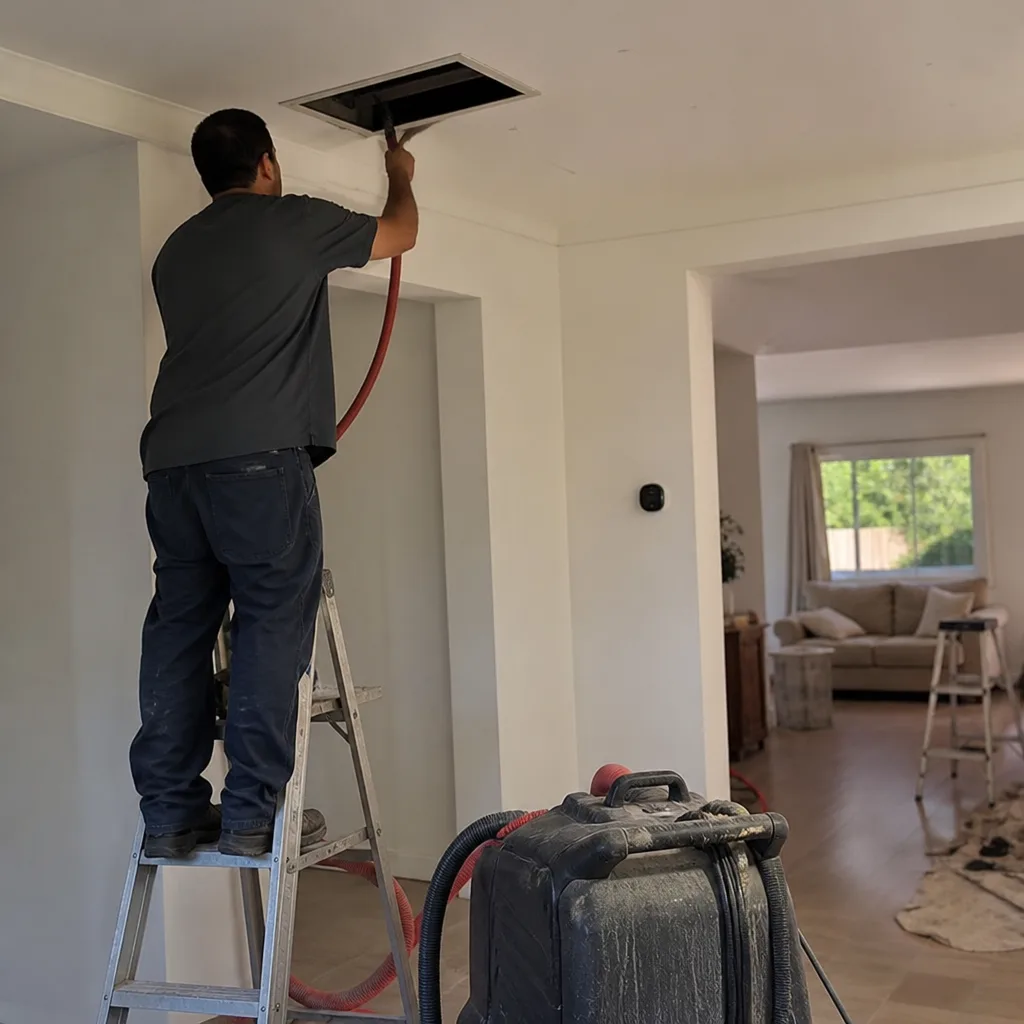
- Protection of your living space. Drop cloths or floor protection around work areas, and corner guards where hoses run through doorways. Professional cleaners do not drag hoses across your carpet without protection.
- Containment setup. Negative-air equipment, such as Abatement Technologies units, is positioned to maintain negative pressure inside the duct system. This prevents loosened debris from escaping into the home.
- Mechanical agitation at every accessible register and return. Using Rotobrush or Nikro agitation tools, the technician dislodges debris from duct walls. Vacuum alone is insufficient; agitation is what actually separates adhered dust and particulate from the surfaces.
- Continuous extraction during agitation. The vacuum system runs throughout, pulling loosened debris into the collection system rather than letting it resettle.
- Air handler and blower cleaning as needed. The blower fan, housing, and evaporator coil can hold significant debris, and cleaning them is within scope of a thorough duct cleaning. The technician should explain what they did and show you.
- Register and grille cleaning. Every supply register and return grille should be cleaned, and visible rust or damage noted.
- Before-and-after documentation. Photographs or video from inside the ducts, taken before and after, are standard professional practice. If a company cannot show you the inside of your ducts after cleaning, ask why.
- Repair recommendations or same-visit repair for any issues found. Leaks, disconnected sections, and damaged liners should be identified and either repaired on-site with mastic or documented with an estimate.
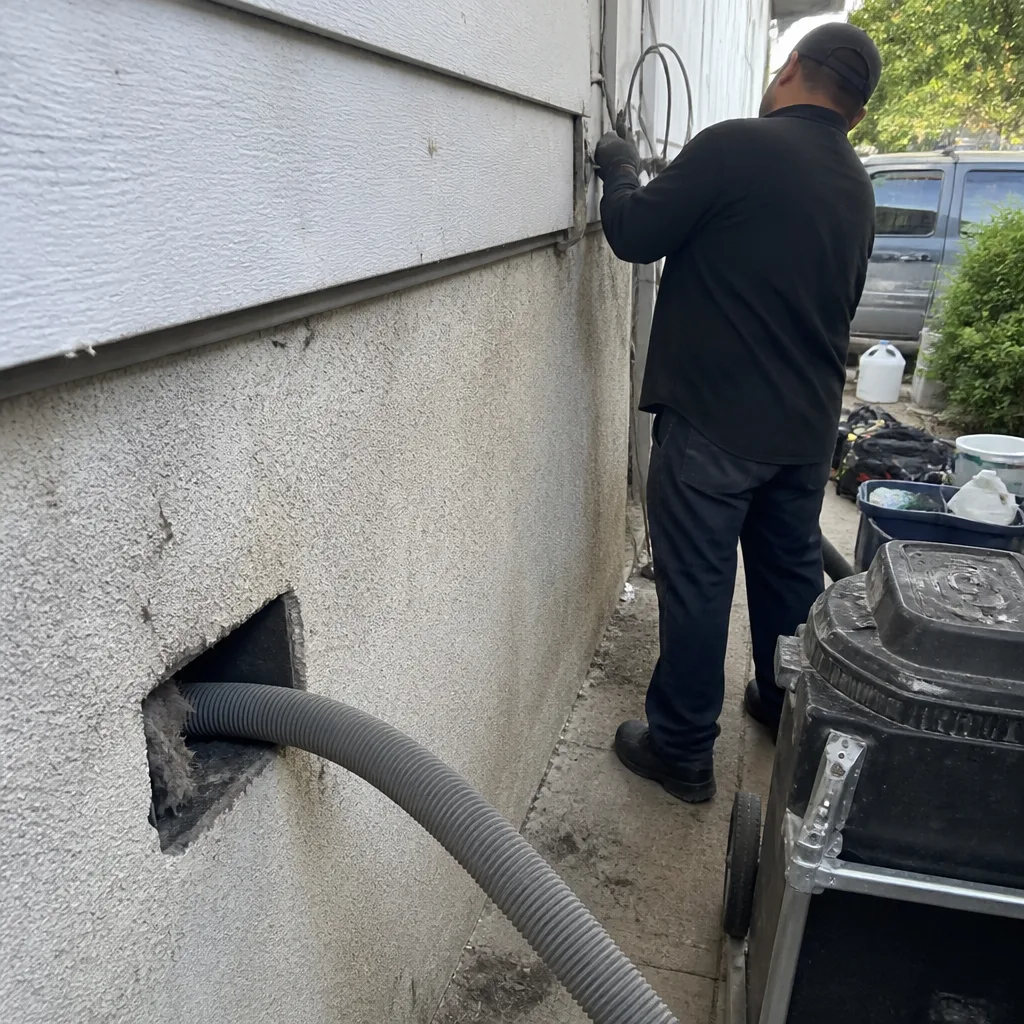
For Tarzana homeowners considering a cleaning, this is also the moment to mention that air duct cleaning in Tarzana is not a permanent fix. Duct systems accumulate debris because air moves through them constantly, and the Valley’s dry, dusty conditions accelerate the process. The dryer vent cleaning in Tarzana question is separate but related: dryer vents accumulate lint, which is a fire hazard, and a dedicated dryer vent cleaning follows a similar containment and extraction methodology applied to a different system. A specialist treats both as distinct jobs with distinct equipment.
Questions to Ask Any Duct Cleaning Company Before You Book
Here is the complete list of questions to ask, in order, when evaluating any duct cleaning provider in Tarzana. Write them down before you call, and take notes on the answers.
- “What vacuum and agitation system do you use, and what are the specific models?” Correct answers include Rotobrush, Nikro, or another named professional platform. Wrong answers include “a commercial-grade vacuum” with no brand, or any answer involving a shop vacuum.
- “Do you use negative-air containment during cleaning?” The answer should be yes, with an explanation of how it works. Abatement Technologies is the brand to listen for.
- “Is your company a NADCA member, and are your technicians ASCS certified?” If yes, verify. If no, ask what standard they follow. If the answer is “our own proprietary standard,” proceed with caution.
- “If you find damaged or disconnected ductwork during cleaning, can you repair it on the same visit?” This is the scope question. Clean-only companies say no.
- “What does your price include, and what costs extra?” The answer should be a flat price per system, not per vent, and the inclusions should be specific. Per-vent pricing is a red flag, because it creates an incentive structure where the technician is rewarded for inflating the count.
- “Will you show me before-and-after photos of my own ducts?” The answer should be an unhesitating yes.
- “How long will the job take?” A thorough cleaning of an average Tarzana home, with a properly sized system and multiple technicians, typically takes three to six hours. A quote of one hour suggests a quick vacuum pass, not a cleaning.
- “Where are you located, and do you have a local phone number?” A Tarzana-based operator will answer with a local presence. A dispatch center will answer with a script.
Here is the key insight: the process of asking these questions is itself a test. A professional company answers them directly, with specifics, because the answers demonstrate competence. A company that hedges, deflects, or promises to “send a technician who can explain everything” is failing the test before the technician ever arrives.
Common Mistakes to Avoid
- Choosing based on the lowest price. A low price in duct cleaning is almost always funded by something: skipped containment, consumer-grade equipment, rushed work, or an upsell model that inflates the invoice later. In Tarzana, the difference between a professional cleaning and a low-cost pass-through often amounts to a few hundred dollars, and the difference in what actually happens inside your ducts is dramatic.
- Believing “certified technician” without verifying through NADCA. Anyone can print “certified” on a uniform. The NADCA ASCS credential is verifiable in a public directory, and a company that truly holds it will tell you exactly how to check.
- Hiring a cleaning-only company when your ducts may have leaks. If your rooms heat unevenly, your dust returns quickly after cleaning, or your energy bills have crept up, the problem may not be dirty ducts. It may be damaged ducts. A company that can only clean will leave the root cause untouched.
- Ignoring dryer vents because “we’ll do it next year.” Lint buildup is a fire hazard, and in Tarzana’s rental and condo stock, dryer vents often run long distances through walls and attics where lint accumulates out of sight. Treat dryer vent cleaning as its own dedicated service, not an add-on.
- Assuming a national franchise means standardized quality. Franchise duct cleaning is a license to use a name, not a guarantee of equipment or process. A local Tarzana operator with a Rotobrush system and repair capability will outperform a franchisee with a portable unit every time.
- Booking without asking the equipment question. This is the single highest-value question in duct cleaning. If you ask nothing else, ask what vacuum system they run.
- Falling for the “whole house for $49” hook. That price does not exist for a real cleaning. It exists to get a van in your driveway, after which the real invoice materializes. A flat price per system, agreed before work starts, is the honest pricing model.
When to Call a Professional
You should schedule a duct cleaning in Tarzana when you notice persistent dust settling on surfaces days after cleaning, allergy symptoms that worsen indoors, musty odors from the registers, or airflow that feels weak even after replacing your filter. If your dryer takes longer than one cycle to dry clothes, that is a separate call for dryer vent cleaning. And if rooms in your home refuse to hold temperature, or your energy bills have risen without a change in usage, the issue may be duct damage rather than debris. Air Duct Cleaning Tarzana offers free estimates in Tarzana, and since we run Rotobrush and Nikro systems with Abatement Technologies containment, we can diagnose what is actually happening in your ducts before you commit to anything. Call (866) 472-7239.
Frequently Asked Questions
Air duct cleaning in Tarzana typically costs between $450 and $900 for a full residential system, depending on home size, the number of registers, and the level of contamination. The price should be quoted as a flat rate per system, not per vent, and should include the air handler, blower, and all accessible duct runs. Call (866) 472-7239 for an exact quote, because our estimates are free and the price you are quoted is the price you pay.
Cheap quotes are usually funded by cheaper equipment, skipped containment, and a sales model that inflates the invoice after the technician arrives. A $99 or $199 “whole house” price cannot cover the cost of professional equipment, trained labor, and the time a proper cleaning requires, which means the company plans to upsell you on something once they are in your home. Honest pricing means one flat price per system, agreed before any work begins.
Ask for before-and-after photographs or video taken inside your ducts, at the registers and at the main trunk lines. A professional company with properly equipped technicians will provide this documentation as standard practice. If a company cannot show you the inside of your own ducts after cleaning, you have no way to verify the work.
For most Tarzana homes, a professional duct cleaning every three to five years is appropriate, with the interval shortening if you have pets, recent construction, or household members with significant allergies. Homes near the 101 or in neighborhoods with ongoing construction tend to accumulate dust faster, which can shorten the interval. The honest answer is that duct cleaning is maintenance, not a permanent fix, and the frequency depends on how quickly debris accumulates in your specific home.
Yes, and in Tarzana’s climate it is more worth it than in most places, because your AC runs heavily through the summer and the duct system is circulating conditioned air through dusty spaces for months at a time. Clean ducts improve airflow efficiency, which means your AC does not have to work as hard, and a professional cleaning also gives a technician the opportunity to identify leaks that are wasting cooled air into attics and crawlspaces.
Negative air containment maintains lower air pressure inside your duct system than the surrounding room, so that debris loosened during agitation is pulled toward the vacuum instead of escaping through the registers. Without containment, a cleaning can release fine particulate into your living space. Equipment from Abatement Technologies is built for exactly this purpose, and its presence on the job site is a strong signal that the company is doing the job properly.
The Bottom Line
Choosing an air duct cleaning company in Tarzana is not a brand comparison, because brand names in this industry carry no consistent information about quality. The variables that actually matter are equipment class, verification of credentials, and scope of service. A company that runs Rotobrush or Nikro systems with negative-air containment, can verify NADCA membership, and offers duct repair alongside cleaning is operating in a different category from a cleaning-only operator with a portable vacuum. In Tarzana’s hot, dusty climate, that difference shows up in your air quality, your energy bills, and the long-term condition of your duct system. For additional context, read The Complete Air Duct Cleaning Guide for Tarzana Homeowners. Ask the equipment question first, verify the credentials second, and choose the specialist who can clean your ducts and fix what is broken.
Written by the team at Air Duct Cleaning Tarzana, serving Tarzana since 2013.
See the difference
 Before
 After
 Before
 After
 Before
 After